Showing posts with label recycle. Show all posts

Monday, 29 June 2026

GAP Group North East expands with new Yorkshire facility to boost electrical recycling services across the UK

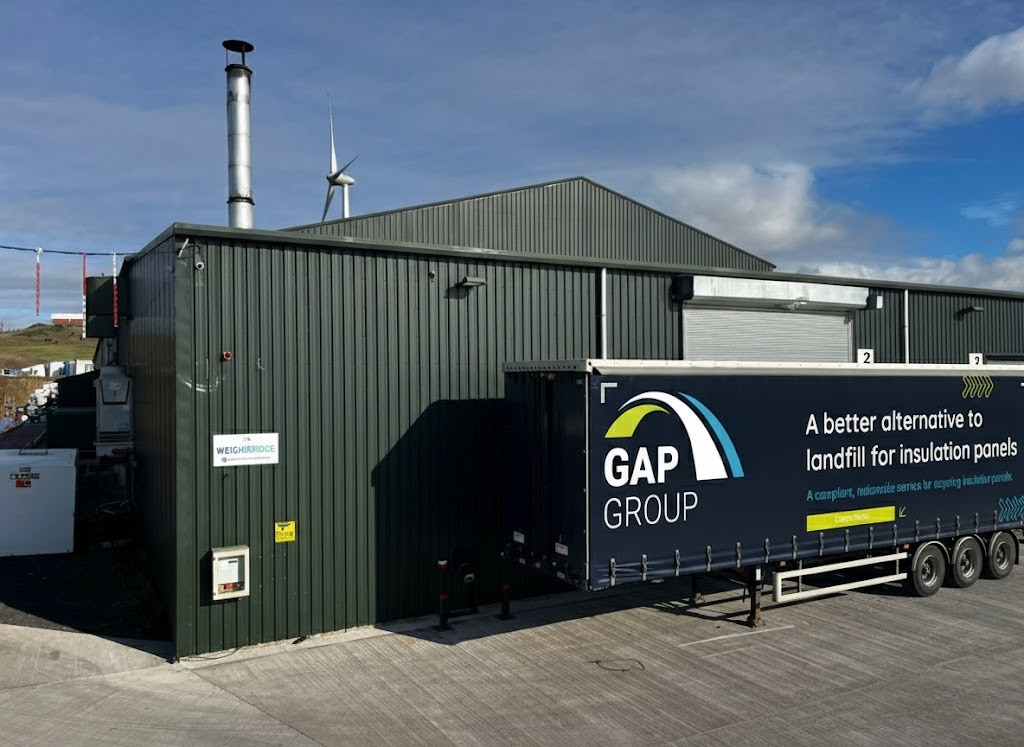
GAP Group North East is expanding its nationwide electrical recycling and resource recovery network with the opening of a new operational facility in Yorkshire, strengthening its ability to deliver faster, more efficient services to businesses, local authorities and compliance partners across much of the UK.

The fully accredited electrical recycling specialist already operates established processing centres in Gateshead and Perthshire, providing extensive coverage across North East England and Scotland. The addition of a Yorkshire hub represents the next stage of the company's growth strategy, creating a central location that will significantly improve services for customers throughout Yorkshire, the Midlands and the South of England and Wales.

By reducing collection distances and improving logistics, the new facility is expected to deliver quicker response times, greater operational flexibility and enhanced processing capacity for organisations handling Waste Electrical and Electronic Equipment (WEEE).

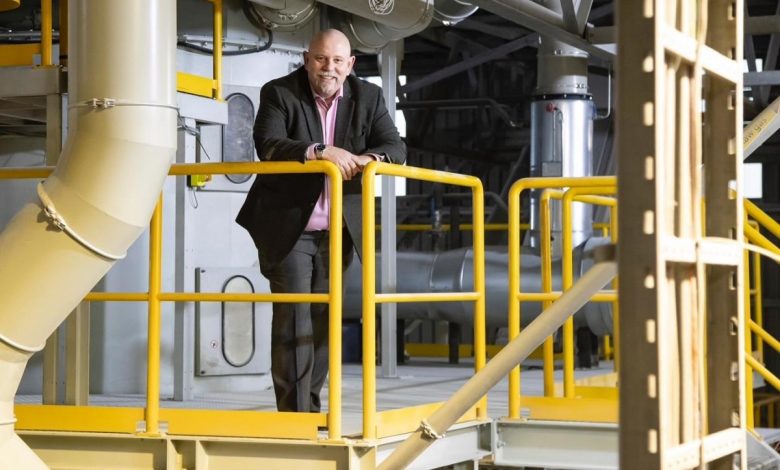
Nigel Tomlinson, Commercial Director at GAP Group North East, said the expansion reflects the company's commitment to supporting customers wherever they are based.

He told That's Business: "As demand grows, our mission is to make sure every customer, wherever they are in the UK, receives the same level of service, speed and compliance support. The Yorkshire site is about us providing what our customers need."

The new facility is set to offer a number of practical advantages for customers, including more efficient transport routes that reduce travel mileage and improve collection turnaround times. Shorter lead times from collection requests to processing will also help businesses meet tighter project deadlines, while increased capacity will enable GAP Group to respond more effectively to urgent, high-volume or complex recycling requirements.

The expansion comes at a time when regulatory expectations surrounding WEEE compliance continue to increase. Businesses, public sector organisations and compliance schemes are under growing pressure to ensure electrical waste is managed responsibly, creating greater demand for accredited recycling partners with the capacity to handle larger volumes across multiple waste streams.

GAP Group says the Yorkshire site will allow it to maintain the high standards of reliability and responsiveness that customers have come to expect while supporting continued growth in demand.

The enhanced network is expected to benefit a wide range of organisations, from facilities management companies coordinating nationwide collections and retailers undertaking store refurbishments, to construction firms clearing project sites, education trusts replacing IT equipment and brokers managing compliance obligations on behalf of clients.

With three strategically located processing facilities, GAP Group North East is positioning itself to provide faster, more accessible and more resilient electrical recycling services to organisations across the UK.

https://gapgroupuk.com

Wednesday, 27 May 2026

The Royal Mint Turns Old TVs Into New Opportunities

A new partnership between The Royal Mint and Recycling Lives Services is proving that one business’s electronic waste can become another industry’s hidden treasure, while also helping people rebuild their futures.

Through The Royal Mint’s innovative precious metals recovery division, Reformation Metals, circuit boards taken from discarded televisions are now being transformed into valuable recovered materials including gold and other precious metals. 

But this isn’t just another recycling story. It is also a story about skills, rehabilitation and building a more sustainable UK economy.

The partnership sees end-of-life TVs collected from civic amenity sites across the country dismantled at Recycling Lives’ Preston facility and within supervised prison-industry workshops. 

Once stripped down, the circuit boards are carefully graded, checked and sent to The Royal Mint’s cutting-edge recovery facility in Llantrisant, South Wales, where valuable metals are extracted and reintroduced into the supply chain.

At a time when global demand for critical minerals continues to rise, the collaboration highlights the growing importance of keeping valuable resources inside the UK rather than relying heavily on imported raw materials or traditional mining operations.

Sean Millard, Chief Growth Officer at The Royal Mint, described Recycling Lives as a “vital” part of the company’s precious metals recovery work, praising both the quality of the recovered materials and the wider social impact created through the programme.

And that social impact is a major part of the story.

For prisoners involved in the supervised workshops, the work provides more than simply a daily task. It offers practical experience, transferable workplace skills and a route towards future employment opportunities after release.

Adrian Murphy, Chief Executive Officer at Recycling Lives Services, said the partnership combines circular economy innovation with “meaningful second chances”, creating practical pathways into employment while supporting the recovery of valuable materials from UK electronic waste.

The initiative also reflects The Royal Mint’s wider diversification strategy. The historic organisation, which has existed for over 1,100 years,  has increasingly expanded into sustainable precious metals innovation through its Reformation Metals division.

Instead of relying solely on traditional mining, the business is focusing on recovering gold, silver and platinum group metals from discarded electronics, helping support the UK’s Critical Minerals Strategy while tackling the growing challenge of e-waste.

It is a smart reminder that the future of British industry may not always lie underground, sometimes it is sitting inside yesterday’s unwanted television.

Saturday, 28 February 2026

Repair Week 2026: Why Fixing Things Is Big Business in the UK

Repair Week 2026 is more than a feel-good environmental campaign. For UK entrepreneurs, sole traders and high street independents, it represents a genuine commercial opportunity.

As households continue to feel financial pressure, consumers are increasingly asking a simple question: Can this be repaired instead of replaced? 

The answer, more often than not, is yes, and that shift in mindset is opening doors for smart businesses.

What Is Repair Week?

The Restart Project is one of the driving forces behind Repair Week in the UK. The annual initiative encourages people to extend the life of everyday items, from clothing and electricals to furniture and small appliances, instead of sending them to landfill.

It aligns with broader sustainability goals and growing awareness around waste reduction. But for business owners, the key takeaway is this: demand for repair services is rising.

Why Repair Is Gaining Momentum in 2026

1. The Cost-of-Living Factor

Consumers are cautious with spending. Replacing a washing machine, mobile phone or winter coat isn’t always feasible. Repairing it for a fraction of the price makes financial sense.

2. Sustainability Expectations

Customers now expect businesses to demonstrate environmental responsibility. Offering repair services signals that your company supports circular economy principles rather than disposable consumption.

3. Legislative Pressure

New waste and recycling regulations in the UK are pushing both households and businesses towards better waste management practices. Repair naturally fits within that framework by reducing overall waste output.

Opportunities for Small Businesses

Repair Week isn’t just for repair cafés and hobbyists. It offers practical openings across sectors.

Retailers

If you sell products, especially clothing, electronics or homewares, consider:

In-store repair desks

Partnerships with local repair specialists

Hosting “repair clinics” during the week

Offering spare parts or repair kits

This builds trust and repeat custom.

Trades and Skilled Professionals

Tailors, cobblers, IT technicians, appliance engineers and furniture restorers can use Repair Week as a marketing hook:

Publish educational content on social media

Offer limited-time repair discounts

Demonstrate before-and-after transformations

Collect customer testimonials

It positions you as both expert and community-minded.

Hospitality and Events

Why not host a Repair Week networking evening? A library, local café or micropub could bring together sustainability-minded entrepreneurs and tradespeople. There’s strong crossover with the growing microbusiness scene across the UK.

Marketing Angles for Repair Week 2026

For readers of That’s Business, here are practical ways to capitalise:

Create a Repair Week landing page optimised for local SEO

Share case studies of successful repairs

Highlight cost savings versus replacement

Emphasise environmental impact reduction

Use email marketing to promote special offers

Search interest around repair spikes during awareness campaigns. Being visible at the right time matters.

The Circular Economy Advantage

Repair isn’t anti-growth, it’s smart growth.

Businesses that embrace repair often unlock:

Stronger customer loyalty

Higher lifetime value per customer

Reduced product returns

New revenue streams from servicing and maintenance

Large brands are slowly catching up, but independent businesses can move faster and communicate more authentically.

Long-Term Strategy Beyond the Week

Repair Week 2026 should not be a one-off marketing stunt. Consider embedding repair into your wider business model:

Offer extended service plans

Provide repairability information at point of sale

Train staff to discuss maintenance

Introduce refurbishment resale programmes

In a competitive marketplace, differentiation matters. Supporting repair is both commercially and ethically persuasive.

Repair Week 2026 reflects a cultural shift in the UK economy. Consumers want durability, transparency and value for money. Businesses that respond proactively will not only contribute to waste reduction, they’ll strengthen their brand, build resilience and tap into a growing demand.

Sometimes growth doesn’t come from selling something new. It comes from helping customers keep what they already have.

https://therestartproject.org

Repair Week takes place 2-8 March 2026.

SocialBox.Biz Urges London Firms to "Call Before You Scrap It"

As the UK faces a staggering £15 billion annual cost for replacing potentially still reusable items, SocialBox.Biz has issued a critical update to its "Call Before You Scrap It" campaign in alignment with Repair Week 2026 (2-8 March).

With new research from ReLondon revealing that 335 million reusable items are binned every year, SocialBox.Biz is specifically calling on companies in the City of Westminster, London Borough of Camden, City of London and also across the UK to intercept surplus IT, specifically Windows 10 laptops and MacBooks, before they are sent for energy-intensive recycling and IT disposals.

Bridging the Purpose Gap: Impact Plans for 2026

Recognizing that not every company has immediate surplus hardware, SocialBox.Biz has launched Impact Plans. 

These allow businesses without access to physical items to still increase their social impact and reduce Scope 3 emissions by sponsoring the refurbishment and distribution of technology to those who are in need.

“Repair Week 2026 is about making reusing instead of scrapping the norm,” the SocialBox.Biz team told That's Business.

“By choosing to re-use Windows 10 laptops rather than scrapping them, companies can provide a lifeline for the elderly, and the homeless moving into permanent accommodation whilst meeting their CSR mandates.”

What is the "Call Before You Scrap It" Advantage?

Secure Transition: SocialBox.Biz provides certified data-wiping, ensuring "scrapping" is no longer the only option for sensitive corporate data.

Scope 3 Reduction: Re-using and Re-homing existing tech with SocialBoxBiz is the most effective way for London firms to slash supply chain emissions compared to purchasing new

As Repair Week expands to cities like Greater Manchester, Liverpool, and Cardiff, SocialBox.Biz is ready to help UK businesses turn their old tech into engines of social impact.

"Don't let your impact be shredded," urges SocialBox.Biz. "Call us first at 0843 289 5722 before you call the scrap companies."

Case studies and the benefits of reusing before recycling and IT disposal:

https://www.socialbox.biz/news-posts

https://www.socialbox.biz/reuse-before-recycling

FACTFILE

SocialBox.Biz is a London-based Community Interest Company (CIC) dedicated to digital inclusion. Through tech reuse and Impact Plans, they help companies achieve measurable social and environmental goals.

Repair Week:

Taking place 2-8 March 2026, Repair Week is a nationwide campaign founded by ReLondon to encourage repair, reuse, and the circular economy.

https://relondon.gov.uk/resources/toolkit-london-repair-week-2026-partner-guide

Monday, 9 February 2026

GAP Group North East launches UK‑wide insulation panel recycling to tackle construction’s hidden waste and pollution problem

A North East–founded recycling business has launched a UK‑wide insulation panel recycling service to tackle one of construction’s most overlooked environmental problems: what happens to insulation at end of life. 

Construction is responsible for around 62% of all waste generated in the UK and roughly a third of everything sent to landfill, despite national targets to drive that figure close to zero.

Insulation is essential for cutting operational carbon in buildings, but once removed from a roof, façade or cold store it is still too often treated as disposable. 

In practice, that means composite and foam‑cored panels going into mixed skips, then into landfill, shredding or low‑grade incineration routes, where they can persist for centuries, releasing microplastics or releasing trapped blowing agents, harmful gasses and other pollutants.​

GAP Group North East’s new service gives contractors and facilities managers a compliant, direct‑to‑processor route for end‑of‑life insulation panels, helping to divert complex materials away from landfill and uncontrolled disposal. 

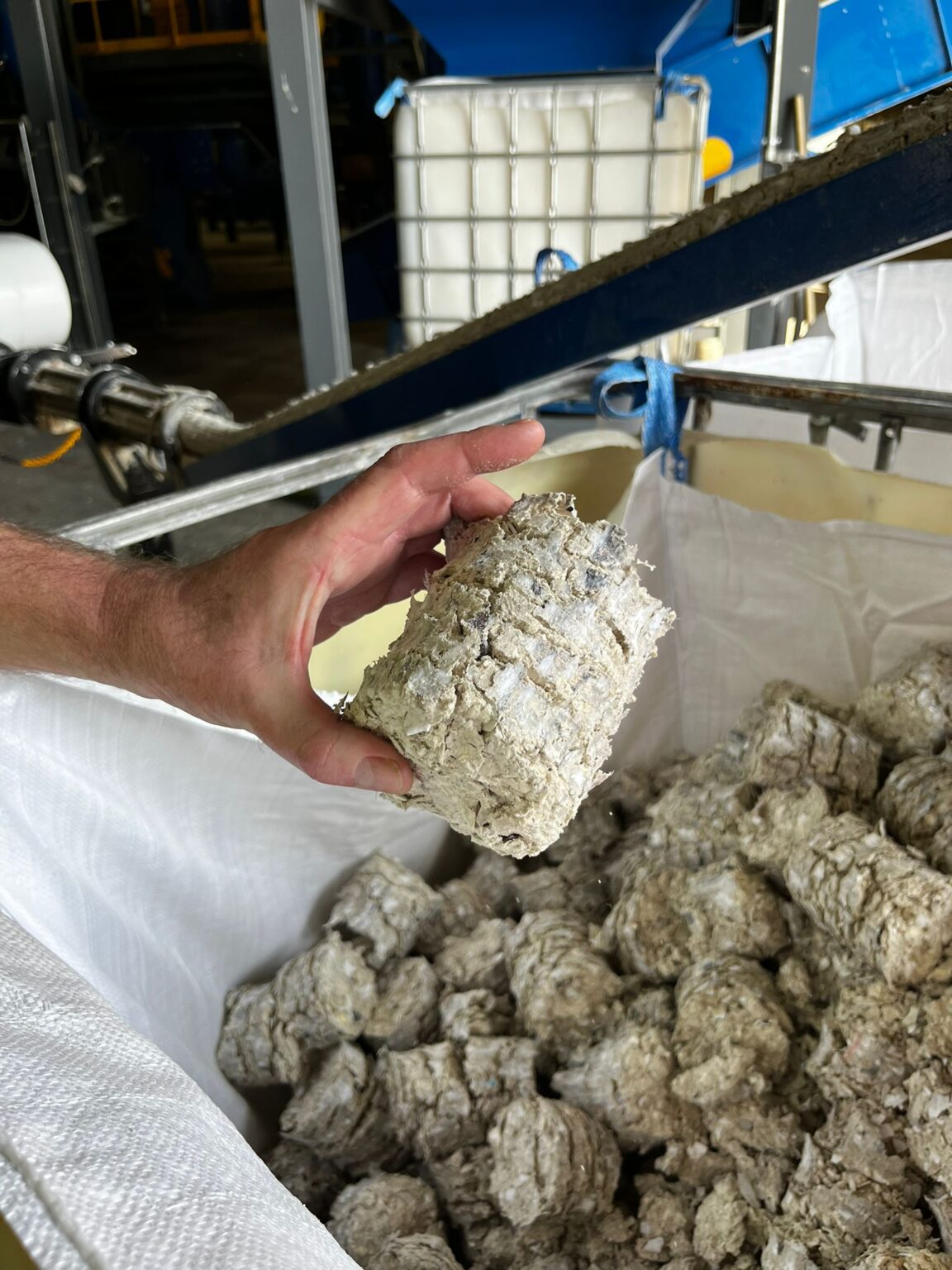
Panels collected from projects across the UK are processed through GAP Group’s specialist fridge‑recycling lines in Gateshead and Perth, where metal skins and insulation cores are separated and the gasses removed so that recyclable fractions can be recovered and hazardous components handled under strict environmental controls.

The environmental stakes are high. Older insulated panels – especially legacy cold‑room and composite units – can contain foams blown with ozone‑depleting substances or high‑global‑warming‑potential gases, which regulations say must be captured and treated rather than simply released during shredding, burning or uncontrolled disposal. 

At the same time, plastic‑foam cores such as EPS and other petrochemical‑based materials do not biodegrade and can break down into persistent microplastics that spread through soil and water, adding to the wider plastic pollution crisis.

Peter Moody, CEO at GAP Group North East, told That's Business: “Insulation has helped cut energy use in buildings, but if we just dump the panels at end of life, we are swapping one environmental problem for another.” 

Moody added “By putting insulated panels through the same kind of highly regulated lines we use for fridges, we can recover metals, control and capture blowing agents, and stop these materials ending up as uncontrolled pollution or long‑term landfill burden. That means a real reduction in embodied carbon and environmental risk for our customers’ projects.”

By routing waste panels through its established plants, GAP Group North East can:

Separate and recycle metal facings, reducing the need for virgin metal production and cutting associated carbon emissions.

Treat foam cores and blowing agents in line with ozone‑depleting substance and climate regulations, rather than allowing gases to escape during demolition, burning or landfill.

Provide a clear audit trail so contractors can evidence responsible management of one of their more complex waste streams and demonstrate progress against ESG and net‑zero commitments.

The new insulation panel service sits alongside GAP Group’s wider multi‑stream offer – including fridges, small WEEE, vapes, batteries, displays and more – enabling construction and FM customers to consolidate difficult, compliance‑sensitive waste streams with a single national recycler.

 For a sector under pressure to cut waste to landfill from 13% of total arisings towards a 1% target, services that unlock higher‑value recovery from “forgotten” fractions such as insulation panels are becoming a critical part of credible sustainability strategies.

GAP Group North East is a direct‑to‑processor specialist recycler handling a wide range of electrical and specialist waste streams, including fridges, small WEEE, vapes, batteries, lighting, cables and insulation panels. 

Founded in the North East of England but operating UK‑wide, the company runs processing facilities in Gateshead and Perth and provides fast, compliant national collections, detailed reporting and strong ESG support for business customers.

Wednesday, 28 January 2026

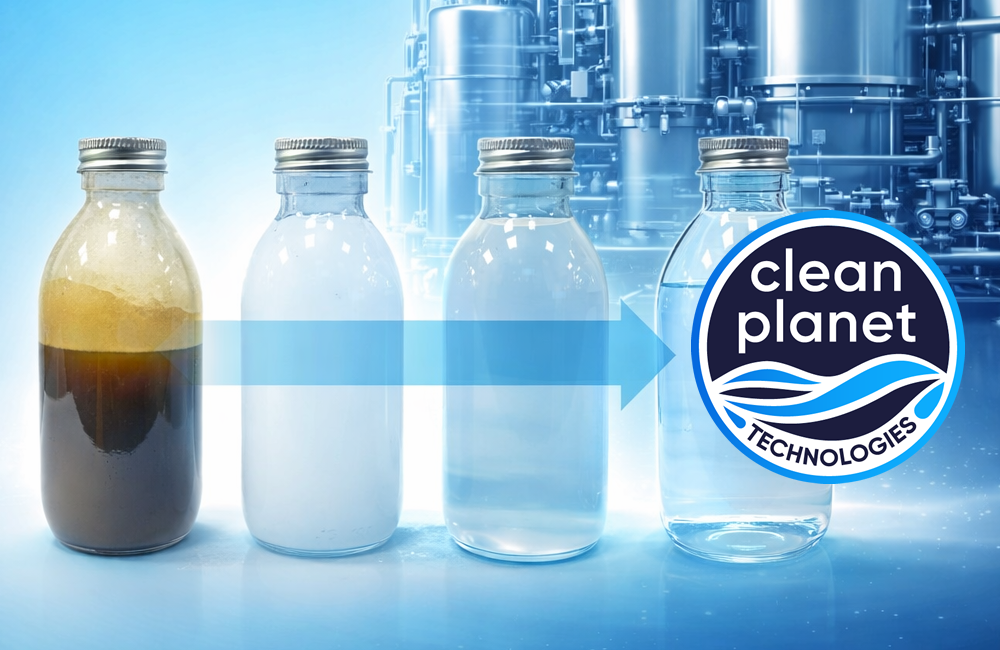
Clean Planet Technologies Awarded UK Government SAF Clearing House Funding

Clean Planet Technologies (CPTech), part of the Clean Planet Group, has been awarded funding by the UK Department for Transport (DfT) through the UK Sustainable Aviation Fuels (SAF) Clearing House, supporting the next phase of qualification and testing for its waste-plastics-to-Sustainable Aviation Fuel (P2SAF) technology.

The award forms part of a funding package announced today by the DfT, supporting four SAF innovators, Avioxx Ltd, Clean Planet Technologies Ltd, Green Lizard Technologies Ltd, and Zero Petroleum Ltd, to accelerate the testing, certification and commercialisation of next-generation sustainable aviation fuels.

The UK SAF Clearing House plays a central role in the UK’s aviation decarbonisation strategy, providing technical guidance, access to recognised testing facilities, and support for the ASTM qualification process. The programme underpins the UK’s ambition to lead globally in SAF deployment, alongside the SAF Mandate and wider measures to derisk first-of-a-kind SAF production.

Matthew Jee, Director of the UK SAF Clearing House, told That's Business: “The UK SAF Clearing House is delighted to support [Clean Planet Technologies] as they move through the critical stages of fuel qualification. 

"The testing we facilitate provides the robust evidence base that producers and industry needs to build confidence, unlock investment and accelerate the deployment of new fuels. These awards underline the UK SAF Clearing House’s commitment to working closely with innovators to scale sustainable aviation fuel production and to deliver meaningful progress towards a more sustainable aviation sector in the UK.”

Advancing the UK’s first Plastics-to-SAF pathway

For Clean Planet Technologies, the funding will support detailed fuel characterisation, materials compatibility testing, and data generation required for progression through the ASTM qualification process for plastics-derived aviation fuels.

CPTech is developing the SAFe-P2SAF platform — a proprietary system combining pyrolysis and advanced hydroprocessing to convert hard-to-recycle waste plastics into ultra-clean, low-carbon jet fuel. Their technology was unveiled publicly at the SAF Global Summit, where CPTech presented the UK’s first end-to-end Plastics-to-SAF pathway.

The programme builds on CPTech’s patented pyrolysis-oil upgrading technology, now protected in the UK, United States and Saudi Arabia, and is being advanced through the company’s upcoming UK pilot facility, planned for opening in April 2026.

Dr Andrew Odjo, CTO of Clean Planet Energy and CEO of Clean Planet Technologies, said: “We are delighted to be supported by the UK SAF Clearing House programme, enabling us to accelerate the validation of our innovative plastics-to-SAF technology. 

"Every molecule of virgin fossil fuel that we can replace with our oils brings waste back into the value chain, and significantly reduces lifecycle carbon emissions and plastic pollution. The UK is at the forefront for advanced fuels, and this support helps ground-breaking technologies like ours reach commercial deployment. We’re proud to contribute to the future of sustainable aviation and to the UK’s Net Zero ambitions whilst removing waste from the environment.”

Dr Katerina Garyfalou, COO of Clean Planet Technologies, added: “This support allows us to move faster and with greater technical confidence through the SAF qualification process. Fuel testing and certification are essential steps in bridging innovation and commercial reality, and the UK SAF Clearing House plays a critical role in reducing risk for new fuel pathways. This award strengthens our roadmap from pilot-scale validation to commercial deployment.”

Supporting UK SAF scale-up and feedstock diversity

With UK and EU SAF mandates coming into force and increasing pressure on traditional bio-based feedstocks, alternative circular feedstocks such as waste plastics are gaining strategic importance. CPTech is an active contributor to the ASTM task force for plastics-to-SAF and is working alongside industry partners, including OMV, whose forthcoming annex is expected to establish the regulatory route for this new class of fuels.

Each stage of the Clearing House programme brings CPTech closer to commissioning its first commercial-scale Plastics-to-SAF unit, targeted later this decade, and to supplying meaningful volumes of low-carbon SAF into the aviation market.

https://www.cleanplanet.com

Monday, 19 January 2026

Recycling or Greenwashing? Why “Made From Bottles” Isn’t Always Sustainable

Are We Recycling… or Just Shipping Our Guilt Abroad? 

The Carbon Footprint Question Behind Britain’s Plastic Bottle “Recycling.”

We all know the routine by now.

You finish a bottle of water, squash it down, put the lid back on (or don’t, depending on the council’s rules), and drop it into the recycling bin feeling like you’ve done your bit. A small win. A responsible moment. A tidy little act of modern virtue.

But what if that plastic bottle’s “recycling journey” isn’t quite the wholesome, planet-saving story we’ve been sold?

What if, instead, it becomes part of a global supply chain that involves being collected in Britain, transported across the world, turned into fabric, stitched into something fashionable, then shipped all the way back to us… to be sold at a premium price?

At that point, it’s fair to ask the uncomfortable question:

Are we genuinely reducing waste… or just moving it around the planet with extra steps and a bigger carbon footprint?

The recycling story we want to believe

In the ideal version of recycling, the system works like this:

Britain collects plastic bottles

They’re sorted and processed locally

They’re recycled into new bottles or useful products

The material stays in the UK economy

Carbon emissions are kept relatively low

This is the neat, circular, common-sense version. The kind of “closed loop” model that makes you feel that putting the bottle in the right bin actually matters.

And to be clear: it does matter, because plastic left to landfill or incineration is another headache entirely.

But the real world is rarely tidy.

The less cosy reality: a global journey

Some recycled plastic doesn’t stay in Britain. It becomes a commodity—baled, sold, and shipped abroad.

Historically, a huge portion of Western recycling was exported to Asia, with China playing an enormous role for many years. Even though regulations have changed over time and the picture has shifted, the wider issue remains the same: shipping waste (even “valuable” waste) overseas adds emissions.

And it doesn’t stop there.

That plastic may be:

shredded and melted

turned into pellets or fibres

spun into polyester thread

woven into fabric

cut and sewn into clothing

branded as “eco-conscious fashion

exported again… back to the UK or Europe

So what started as a humble bottle of water becomes a designer tote bag or recycled polyester jacket that costs more than the weekly shop.

Sounds impressive… but it also sounds like a lot of movement for something that was originally a local waste problem.

The carbon footprint question nobody wants to answer

Let’s be blunt.

Shipping materials halfway around the world is not carbon-free.

Even when modern container shipping is “efficient” compared to flying, it still burns enormous quantities of fuel. And recycling plastics isn’t magically low-energy either—it requires processing, heat, industrial machinery, and (often) further chemical treatments.

So when we hear:

“This bag is made from 20 recycled bottles!”

The question shouldn’t just be “how many bottles?”.

It should be:

Where were the bottles collected?

Where were they processed?

Where was the fabric produced?

Where was the bag stitched together?

How far did it travel, in total?

What happens when the bag wears out?

Because if your “recycled” product has done more miles than your car did last year, it’s worth pausing before we call it sustainable.

“Recycled” doesn’t always mean “environmentally friendly”

This is one of the most confusing parts of modern green living.

A product can be technically recycled material while still being part of a high-impact, high-emissions process.

Recycling is often framed like a moral good in itself, but it’s more accurate to think of recycling as damage control.

Better than litter. Better than landfill. Usually better than incineration.

But not always the magical solution we pretend it is.

And then there’s the next problem…

Bottle-to-clothing is not a closed loop

Here’s the awkward truth behind “plastic bottle clothing”:

A plastic bottle can be recycled into another bottle (sometimes)

That’s closer to a true circular loop.

But a plastic bottle turned into polyester clothing?

That’s often the end of the road.

Many textiles made from recycled plastic aren’t easily recycled again into new textiles. They’re blends, they degrade, they’re dyed, they’re treated, and when they wear out, they usually end up as waste.

So the bottle didn’t become “recycled forever”.

It became downcycled into something else… and then eventually binned.

That might still be useful as a one-time diversion of waste, but it isn’t the endless eco-loop people imagine.

The microfibre elephant in the wardrobe

There’s another environmental catch that rarely makes it into the marketing copy.

Polyester clothing sheds microfibres.

Every time synthetic fabric is washed, tiny plastic fibres can break away and enter wastewater. Some are filtered, some aren’t. Some end up in rivers and oceans.

So we’ve taken plastic bottles—something we can potentially keep in a contained recycling system—and turned them into clothing that can leak plastic particles over time.

Again: not necessarily worse overall, but it’s not the simple “green win” it’s sold as.

Why are we paying premium prices for our own waste?

This part stings a bit.

British consumers are encouraged to recycle, often with the implication that we’re contributing to sustainability. Then the material is sold, processed abroad, and returned to us as an expensive “ethical” product.

So we’ve effectively:

supplied the raw material for free

paid councils and systems to collect it

absorbed the inconvenience of sorting it

and then paid again to buy it back as fashion

All while the majority of profit is made somewhere in the middle.

And yes—some companies will argue (fairly) that the cost reflects ethical labour, safer supply chains, better quality, and responsible sourcing.

But not all “recycled bottle” products are transparent about any of that.

Which brings us to the real issue.

The transparency problem: we don’t actually know the journey

Most consumers have no idea where their recycled products were truly made or how far the materials travelled.

You’ll often see vague language like:

“made from recycled plastic bottles

“crafted from ocean-bound plastic

“using recycled materials”

“helping reduce waste”

But you won’t see:

full supply chain emissions

shipping mileage

energy mix used in processing

end-of-life recyclability

whether the plastic was actually local to the market

Without real transparency, we’re stuck relying on branding rather than facts.

And branding is cheap.

Is shipping recycling overseas ever justified?

To be fair, there are arguments in favour:

Some countries have specialised processing capacity

Some facilities can handle types of plastics others can’t

Some systems may be more efficient at scale

Recycling markets are global, like any commodity market

But the UK should still be asking:

Why aren’t we doing more of this processing at home?

If recycled plastic has value (and it clearly does), then keeping the supply chain local could mean:

UK jobs

better oversight

reduced shipping emissions

stronger circular economy

less reliance on overseas processing

We can’t talk endlessly about sustainability while outsourcing the messy part to somewhere else.

The real solution: reduce, reuse, then recycle

If this blogpost sounds sceptical, it’s because blind optimism is how we end up with systems that look good on paper and fail in real life.

Recycling can still be worthwhile.

But the most meaningful environmental wins still follow the old hierarchy:

Reduce (don’t create the waste)

Reuse (use the item again and again)

Recycle (process what’s left)

So maybe the bigger question isn’t:

“Can we make more bags out of bottles?”

It’s:

Why are we producing so many bottles in the first place?

Refill stations, deposit return schemes, better public water fountains, reusable containers, and less packaging overall would do far more than turning bottle waste into trendy accessories.

A simple rule for consumers: ask the awkward questions

If you want to support genuinely lower-impact products, look for brands that can answer:

Where was the product made?

Where was the recycled material sourced?

Is it locally processed?

Is it built to last?

Can it be repaired?

What happens at end of life?

A tote bag that lasts ten years is better than one that “saves 20 bottles” but falls apart in ten months.

Durability is sustainability, even when it’s not trendy.

Final thoughts: recycling isn’t a get-out-of-guilt card

Recycling should never be mocked. It’s a positive habit.

But it shouldn’t be treated as the holy solution either—especially when the reality involves:

long-distance shipping

industrial processing emissions

“eco” products sold back at luxury prices

vague marketing claims

and another layer of consumer guilt

If Britain is serious about sustainability, the goal shouldn’t be just “recycle more”.

It should be:

produce less plastic, build stronger local recycling infrastructure, and stop pretending that global shipping is an environmental shortcut.

Because if your recycled bottle becomes a designer bag that has crossed oceans twice…

You’re allowed to wonder whether the planet actually came out ahead.

Tuesday, 13 January 2026

Waste to Wonder Worldwide Founder Alan Cooper Awarded OBE for Services to Charity and Sustainability

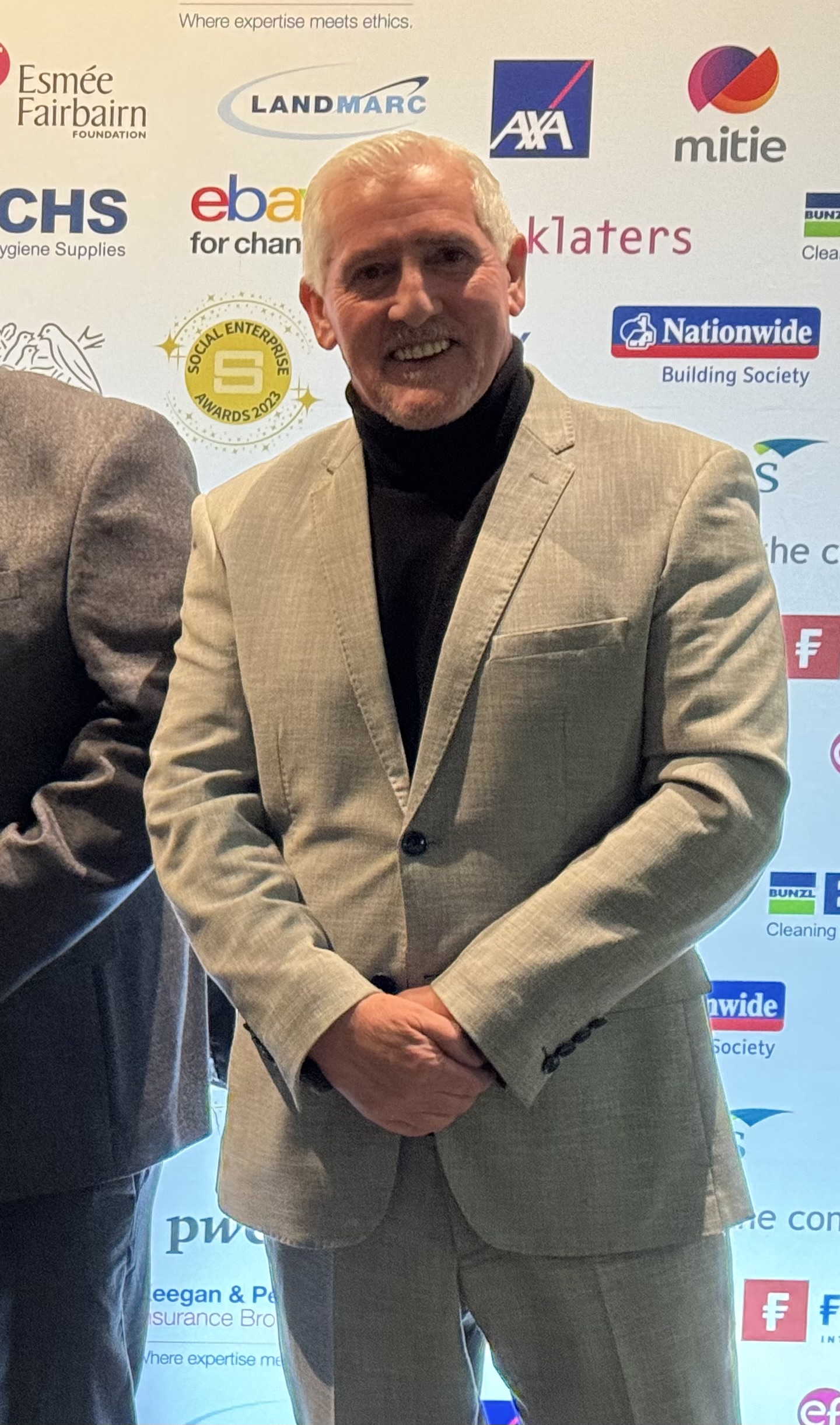
Waste to Wonder Worldwide is proud to announce that its founder, Alan Cooper, has been awarded an Officer of the Order of the British Empire (OBE) in the New Year Honours List, recognising his exceptional contributions to charity and sustainability.

Alan, (PICTURED) who received the official notification from the Cabinet Office in November, described the honour to That's Business as “a surprise, a thrill, and a moment to reflect on the journey so far.”

For more than 20 years, Alan has been at the forefront of ethical reuse and circular economy innovation

Since founding Waste to Wonder Worldwide, he has championed a simple but radical mantra: “Changing the perception of waste.” What began as a small initiative redistributing redundant office furniture has evolved into a global movement.

Under Alan’s leadership, Waste to Wonder Worldwide has:

Donated over £49 million (Fair Market Value) of furniture and equipment

Equipped over 1,500 schools across 47 countries, including the UK

Diverted thousands of tonnes of office furniture from landfill each year

Delivered award-winning social and environmental impact through reuse, education, and community development

Reflecting on the path ahead, Alan said: "Running a company brings with it many opportunities — to support customers, to embrace every skill and idea from colleagues, and to work alongside valued partners. But it also evokes an individual responsibility to do positive things further afield. ‘The world is your oyster,’ to coin a phrase."

He added: "As we look to 2026, companies and their employees will be able to sit down and plan how they can benefit others whom they may never meet — using their organisation as a catalyst to improve lives across the entire globe. Nil magnum nisi bonum: nothing is great except good."

About Waste to Wonder Worldwide

Waste to Wonder Worldwide is a social enterprise specialising in ethical office clearance, sustainable relocations, and circular economy programmes that support education and community development worldwide. Its flagship School in a Box initiative redirects surplus office furniture to underserved schools, providing vital resources while reducing waste and carbon emissions.

https://www.wastetowonder.com

Sunday, 23 November 2025

SocialBox.Biz Calls on Companies to Re-use Windows 10 Laptops And Surplus IT with SocialBox.Biz

Nearly half of all Windows computers worldwide, and millions here in Britain, still run the now-expired Windows 10 because many older devices do not meet the strict hardware criteria for Windows 11.

Through its “Call Before You Scrap It” campaign, SocialBox.Biz appeals to companies to review and donate surplus hardware to SocialBox.Biz before considering recycling or IT disposal.

SocialBox.Biz collaborates with leading charity partners, providing repurposed IT with open source software that can support disadvantaged individuals who can not afford any computer hardware or software with essential equipment to help with their education, job searches, and daily communication. 

There is a particular need for surplus Google Chromebooks and MacBooks with larger screens to better support older recipients with visual impairments. Earlier this year, Elaine, a beneficiary of the C4WS Homeless Project, was able to rebuild her life and pursue college studies because she received a donated laptop, demonstrating the powerful, practical impact of this initiative.

A spokesperson for SocialBox.Biz told That's Business: “There are countless benefits for companies

repurposing unwanted IT. Redundant hardware can become a source of positive community change, preventing waste, lowering emissions, and providing lifeline technology to those who need it the most.”

The environmental benefits of reuse are also compelling. For example, by donating just 500 unwanted computers, a business prevents 155 tonnes of CO₂ emissions - equivalent to removing 60 cars from UK roads for a year. 

Local reuse models not only reduce transport-related pollution but are also far more sustainable than energy-intensive recycling, especially because the UK lacks dedicated IT smelters. In carbon absorption terms, such annual emissions savings equal the work done by approximately 6,460 mature trees.

SocialBox.Biz welcomes enquiries from organisations interested in learning more about sustainable IT reuse, partnership opportunities, or the wider impact of inclusion.

SocialBox.Biz’s Call Before You Scrap Campaign SocialBox.Biz’s Call Before You Scrap Campaign asks companies to contact SocialBox.Biz first to have their equipment assessed before defaulting to recycling or IT disposal to prevent waste and reduce scope 3 emissions. This can help organisations remain compliant and demonstrate proactive impact rteadership ahead of COP30.

This  call to action also comes as the European Week for Waste Reduction (Nov 22–30) spotlights ways organisations can help tackle the mounting problem of electronic waste in Britain and across Europe.

SocialBox.Biz supports corporate impact in London and across the UK by accepting unwanted laptops, Apple iPhones, iPads, and MacBooks as part of its reuse programme.

Participating companies benefit from tailored impact plans, marketing support, and case studies suitable for annual reporting demonstrating meaningful contributions to computer access inclusion and planet protection

Even companies without access to items can still increase their social impact with SocialBoxBiz impact plans: https://www.socialbox.biz/corporate-impact

https://www.socialbox.biz/reuse-before-recycling/

Wednesday, 15 October 2025

Don't Bin Your Old Windows 10 Machines: London Social Enterprise Offers Better Option Than IT Scrapping

As companies across the our capital city, London, upgrade their IT hardware, a locally-based social enterprise outfit is urging businesses to rethink their disposal process for old Windows 10 laptops and computers

SocialBox.Biz is calling on corporate IT departments to "Call Before You Scrap It," offering a them a sustainable and socially impactful alternative to standard IT recycling and disposal methods.

The initiative provides a win-win for London businesses and the community by securely reusing functional tech instead of scrapping it. 

A win for the environment

According to SocialBox.Biz, reusing a single laptop can save approximately 316 kg of CO2 emissions, that's more than double the savings from recycling, by avoiding the energy-intensive manufacturing process for new devices. 

By donating old computers, companies can significantly reduce their Scope 3 emissions, contributing to a more sustainable and circular economy. A win for the community, too.

Beyond the environmental benefits, the campaign has a powerful social purpose. SocialBox.Biz provides reused computers upgraded with free open source software to vulnerable individuals who lack basic computer access, including homeless people moving into permanent accommodation, and the elderly living on small pension unable to afford any kind of computer. 

For many, this technology is a lifeline, offering access to education, job opportunities, and vital social connections. The donated machines are securely wiped and upgraded with open-source software, ensuring both data privacy and usability. 

Seamless donation for businesses

SocialBox.Biz provides a straightforward process for corporate donors, handling the entire process to ensure security and convenience.

Certified data wiping is provided, with a full chain of custody and destruction certificates for IT audits.

Devices are collected directly from offices across London and the UK.

Donating allows companies to build a strong corporate social responsibility (CSR) and Environmental, Social, and Governance (ESG) profile.

A decade of impact

With over a decade of experience, SocialBox.Biz has a proven track record of creating positive social change through its tech reuse programs. Through long-standing partnerships with charities such as Age UK London, The Passage in City of Westminster, and the C4WS Homeless Project in Camden and others suitable reusable devices have already been distributed to those in need. 

https://www.socialbox.biz/homeless-support

Thursday, 18 September 2025

How SocialBox.Biz leads London's #ITDisposal movement for maximum corporate social impact

The London Business Guide to Ethical IT Reuse Before IT Disposal.

Why Reuse is Better than IT Recycling and IT Disposal for companies in London for CO(2) Emissions reduction and How SocialBox.biz Handles Data Security.

Ahead of Recycling Week In 2025, discover Why Reuse Outperforms Recycling and Disposal in Reducing CO₂ Emissions, and Learn How SocialBox.Biz Ensures Your Data Security Every Step of the Way.

SocialBox.Biz, a London-based Community Interest Company, offers secure IT hardware reuse for businesses as an alternative to recycling, focusing on environmental, social, and ESG benefits. This approach can significantly reduce Scope 3 carbon emissions, provide certified data wiping, enhance social impact by donating reused equipment to those in need, and offer auditable reports for ESG goals. Read the full details at SocialBox.Biz.

https://medium.com/@info_81043/the-london-business-guide-to-ethical-it-reuse-before-it-disposal-a-sustainable-approach-to-b7fb229de78c

SocialBox.Biz Case Study: Secure IT Reuse Before Corporate IT Disposals Delivers ESG Impact Stories…

https://vimeo.com/1112249584

In a pivotal move amid the UN's warning of an 82 million tonne e-rubbish surge by 2030, SocialBox.Biz is transforming how London businesses handle old IT hardware. The social enterprise's latest initiatives, including the "Call SocialBox.Biz Before You Scrap It" campaign launched in August 2025, are positioning it as the #1 solution for secure IT reuse in the capital, helping companies cut Scope 3 emissions while boosting social impact.

As sustainability mandates intensify, more firms are reaching out to SocialBox.Biz for its reuse-first model innovation. SocialBox.Biz's approach intercepts usable laptops, servers, and devices before disposal, reusing them with open source software – a strategy that's saving massive CO₂ and addressing the digital divide.

More and more London companies are teaming up with SocialBox.Biz to do something smarter. Instead of sending used tech straight to recycling, they’re choosing to reuse it first. Why? Because it’s better for the planet and helps cut down on those sneaky Scope 3 emissions (the ones tied to supply chains

Why London Businesses are Prioritising Reuse over IT disposal with SocialBox.Biz to Cut Scope 3 Emissions:

https://medium.com/@info_81043/why-london-businesses-are-prioritising-reuse-over-it-disposal-with-socialbox-biz-9379f1e6c2cf

https://www.linkedin.com/pulse/searching-secure-disposal-london-socialbox-biz-trading-enterprises--oo9wf/

The model prioritises reuse over recycling, yielding greater environmental benefits. For instance, reusing a laptop significantly reduces CO₂ emissions compared to the energy-intensive manufacturing of a new one.

Instead of viewing electronics like laptops as disposable items, SocialBox.Biz adopts a circular economy model that focuses on extending product lifespans. This approach not only minimizes waste but also offers substantial environmental advantages, primarily by avoiding the carbon-intensive manufacturing process.

The Carbon Cost of Manufacturing vs. Reusing

The production phase of a laptop's lifecycle contributes to 75% to 85% of its total carbon footprint. A peer-reviewed study from Cranfield University reveals that remanufactured laptops emit over 15 times less CO₂ than new ones.

According to SocialBox.Biz, reusing a single computer can save approximately 310 kg of CO₂ emissions. To illustrate, donating 100 computers can prevent around 31 tons of CO₂ from entering the atmosphere.

While recycling plays a role in recovering precious metals, it involves energy-intensive processes like shredding and material recovery, which still generate significant CO₂ emissions.

This is why SocialBox.Biz’s "reuse before corporate IT recycling" model is essential. It intercepts usable technology before it enters the recycling stream, maximizing both its environmental and social value.

More information and guides:

https://www.socialbox.biz/it-recycling-and-disposal-a-guide-to-choosing-a-secure-partner-beyond-recycling-reuse-innovation-from-socialbox-biz/

https://www.socialbox.biz/secure-it-disposal-london-there-is-a-smarter-way-with-secure-reuse-first-for-usable-items-with-socialbox-biz-innovation/

https://www.socialbox.biz/reuse-before-recycling/

Call SocialBox.Biz Before You Scrap It!

Are you considering disposing of your old electronics? Stop! Before you scrap it, reach out to SocialBox.Biz! Our mission is to promote sustainability and social impact through the reuse of technology.

By donating your usable laptops and devices, you can:

Reduce E-Waste: Help us keep electronics out of landfills and minimize environmental harm.

Save CO₂ Emissions: Reusing technology can save significant amounts of carbon emissions—up to 310 kg of CO₂ for each computer!

Empower Communities: Your donations provide essential tools for education and employment to underserved individuals, making a real difference in their lives.

Join us in embracing a circular economy and maximizing the value of your technology. Call SocialBox.Biz today and make a positive impact before you scrap it!

Benefit: SocialBox.Biz provides the biggest carbon savings from avoiding manufacturing, which makes reuse more impactful than recycling.

Process: London businesses can participate by identifying usable equipment and contacting SocialBox.Biz for the secure and certified data wiping and collection process.

Corporate Responsibility: Partnering with SocialBox.Biz enhances your company’s sustainability profile and demonstrates your commitment to corporate social responsibility (CSR).

Community Engagement: By participating, your business can engage with local communities and foster a culture of sustainability among employees and stakeholders.

Data Security: We ensure secure data wiping and certified processes, giving you peace of mind that your sensitive information is protected.

Carbon Savings: SocialBox.Biz offers the greatest carbon savings by prioritizing reuse over recycling. By avoiding the energy-intensive manufacturing process, we make reuse significantly more impactful for the environment.

Why SocialBox.Biz is the Number One Choice for Tech Reuse

1. Environmental Leadership

Maximized Carbon Savings: By prioritizing reuse over recycling, SocialBox.Biz significantly reduces carbon emissions associated with manufacturing new devices. This leadership in sustainability positions us as a frontrunner in the fight against climate change.

Reduction of E-Waste: Our model actively diverts usable electronics from landfills, contributing to a cleaner environment and promoting responsible consumption.

2. Social Responsibility

Empowerment of Underserved Communities: We provide essential technology to those in need, helping individuals gain access to education, job opportunities, and digital connectivity. This social impact fosters community growth and resilience.

Job Creation: Our initiatives can lead to job creation in local communities, as reused devices often require support, creating new employment opportunities.

3. Comprehensive Data Security

Certified Data Wiping: We adhere to strict data protection protocols, ensuring that all devices are securely wiped and compliant with data protection regulations. This commitment to security builds trust with our partners.

Transparency and Accountability: Our processes are transparent, allowing businesses to track their donations and understand the impact of their contributions.

4. Cost-Effectiveness

Reduced Disposal Costs: Donating equipment can lower disposal expenses for businesses, making it a financially savvy choice.

Potential Tax Benefits: Businesses may qualify for tax deductions when donating equipment, providing an additional financial incentive.

5. Enhanced Corporate Image

Sustainability Credentials: Partnering with SocialBox.Biz enhances your company’s reputation as a socially responsible organization committed to sustainability and community support.

Employee Engagement: Involving employees in the donation process fosters a culture of sustainability within the workplace, boosting morale and engagement.

6. Streamlined Process

Hassle-Free Participation: Our straightforward process makes it easy for businesses to donate. We handle everything from data wiping to collection, allowing you to focus on your core operations.

Local Expertise: As a London-based organization, we understand the local market and can provide tailored solutions that meet the specific needs of businesses in the area.

7. Innovation and Adaptability

Continuous Improvement: SocialBox.Biz is committed to innovation, regularly updating their practices to align with the latest sustainability standards and technological advancements.

Flexible Solutions: They offer customised solutions for businesses of all sizes, ensuring that every organization can participate in our mission.

By choosing SocialBox.Biz, you are not only making a responsible choice for your business but also contributing to a larger movement towards sustainability and social equity. Join them in leading the way for a greener tomorrow.

Here’s how you can make a difference:

Assess Your Equipment: Identify any usable laptops and devices in your organization.

Reach Out to Them: Contact SocialBox.Biz to learn more about their secure data wiping and collection process.

Make an Impact: Your donations will not only reduce carbon emissions but also empower underserved communities with essential technology.

Together, you and they can create a greener future and uplift those in need.

Call SocialBox.Biz today and be a part of the solution! Let them maximise the value of your technology while making a positive impact on our planet and society.

https://www.socialbox.biz

Tuesday, 2 September 2025

SocialBox.Biz's Long-Standing IT Reuse Innovation Drives Increased Impact with London Companies

SocialBox.Biz, a leading London-based Community Interest Company (CIC), is reporting a strong initial response from businesses embracing its call to prioritize IT reuse over scrapping. 

The recently launched "Call SocialBox.Biz Before You Scrap It" campaign has resonated with companies which are committed to enhancing their social and environmental impact. 

"We're seeing a growing understanding among London businesses that reusing functional IT equipment delivers tangible benefits beyond traditional recycling," Peter Paduh, Founder of SocialBox.Biz, told That's Business. 

Building on over a decade of commitment to sustainable tech reuse, SocialBox.Biz reports a positive initial response from London's business community following its recent renewed call to action to prioritise donating usable IT equipment before recycling or scrapping it.

"We're seeing a growing understanding among businesses that reusing functional IT equipment with SocialBox.Biz delivers tangible benefits beyond traditional recycling methods," Peter Paduh went on to say.

By partnering with SocialBox.Biz, businesses aren't only diverting valuable resources from landfills but also reducing their Scope 3 CO₂ emissions ( reducing your supply chain carbon footprint ) – significantly cutting the environmental impact compared to recycling disposal. 

SocialBox.Biz securely wipes donated devices and upgrades them with open-source software, making them suitable for redistribution to individuals and communities in need.

The call for businesses to donate usable tech has been a core part of SocialBox.Biz's mission for over a decade. However, a recent campaign, "Call SocialBox.Biz Before You Scrap It", was launched to more actively promote this message.

The initiative is already creating positive change within the community. Through partnerships with local charities and organizations like Age UK London and C4WS, SocialBox.Biz is providing access to essential technology for:

Older adults facing digital exclusion unable to afford computer hardware or software.

Individuals experiencing homelessness moving into permanent accommodation and seeking to rebuild their lives.

Refugees integrating into British society.

The reuse of laptops and other IT equipment is proving to be a lifeline, empowering these individuals to access education, job opportunities, and stay connected with loved ones.

https://www.socialbox.biz/socialbox-biz-helping-partners-reduce-scope-3-emissions-and-increase-social-impact/

As noted in a recent case study, a laptop provided to Dean by SocialBox.Biz through another charitable partnership helped him secure employment in London.

https://www.socialbox.biz/homeless-man-finds-job-and-new-hope-with-socialbox-biz-laptop/

SocialBox.Biz is also expanding its programs, including the recently launched CompTIA+ certification initiative, which provides training and opportunities for disadvantaged individuals to enter the IT workforce.

https://www.socialbox.biz/corporate-impact/

The Call for Continued Partnership

While the initial response to the recent campaign has been positive, SocialBox.Biz emphasizes that there's still a significant amount of work to be done to truly maximize the benefits of sustainable tech reuse. The organisation continues to call on London businesses of all sizes to consider partnering with them and join the "reuse before corporate IT recycling" social and ethical innovation.

How Businesses Can Get Involved:

Businesses can engage with SocialBox.Biz by prioritising the reuse of IT equipment, donating devices through a seamless collection process that includes secure data wiping, and sponsoring initiatives like tech labs and training programmes. By participating, businesses contribute to environmental sustainability and social inclusion.

To learn more contact them here: https://www.socialbox.biz/contact-us/

Monday, 9 June 2025

SocialBox.Biz Calls on IT Managers for Spring and Summer Tech Donations

SocialBox.Biz, a leading Community Interest Company dedicated to sustainable tech reuse, launched its “Spring Clean Your IT” campaign for Earth Day 2025 this April, urging corporate IT managers and CIOs to contact SocialBox.Biz about the old but functional tech before scrapping. 

“We just ask IT Managers to call us first before calling the scrap companies so we can check what can still be re-used,” says the team at SocialBox.Biz, boosting social impact for participating companies.

SocialBox.Biz will collect laptops, MacBooks and other corporate computer hardware and tech across the UK, wiping data securely, upgrading with open-source software, providing tech labs, training opportunities, and distributing some of the suitable items to vulnerable groups via charity partners. Case studies donations have:

Helped an Age UK Islington job seeker secure employment read more.

Enabled Passage’s Lily to shape homeless services read more.

Reconnected an Age UK London senior digitally read more.

Reusing tech cuts Scope 3 emissions and transforms lives,” Peter Paduh, Founder of SocialBox.Biz, told That's Business.

Companies like New Look, donating since 2021, exemplify impact. Join them by contacting info ( at ) socialbox.biz or visiting www.socialbox.biz to schedule collections. Follow @SocialBoxBiz on X to share your contribution.

Thursday, 29 May 2025

MacBook and Laptop Reuse Initiative from SocialBox.Biz Helps Companies Increase Social Impact

SocialBox.Biz is encouraging enterprises across the UK to join in its MacBook and laptop reuse initiative. 

Over the past decade, SocialBox.Biz has helped the vulnerable, including homeless individuals, refugees, and elderly people receive old but functional MacBooks and laptops that would otherwise be thrown away or recycled by enterprises.

The beneficiaries of the programme have shared touching stories of resilience. One, a modern-day slavery victim, used a donated MacBook Air to launch his DJ career.

According to the SocialBox.Biz team, “Every old MacBook sitting in a corporate storage room is a real chance to change a life whilst also helping protect the planet. Our Spring Clean campaign makes it easy for companies to declutter, meet social impact targets, and create a lasting social impact. We’re calling on London businesses to act now.”

By prioritising reuse over corporate recycling of old macbooks and other computers and IT hardware, SocialBox.Biz helps companies reduce Scope 3 emissions and waste. 

Donating also boosts community engagement and can positively impact share prices. SocialBox.Biz ensures secure data wiping and offers flexible donation options from parcel labels for small collections to UK-wide pickups for larger ones.

Since its founding, SocialBox.Biz has partnered with major companies and organisations achieving milestones such as its 1000th laptop handover in 2020. Now, the organisation is scaling its efforts to meet ambitious goals by 2030, aiming to provide essential access to computers and promote sustainability.

SocialBox.Biz recently hosted events to encourage donations for Earth Day 2025. Learn more now by visiting https://www.socialbox.biz/

SocialBox.Biz boosts corporate impact in London and across the United Kingdom by accepting Apple iPhones, iPads, and MacBooks for its digital inclusion tech reuse initiative.