Showing posts with label safety. Show all posts

Wednesday, 22 April 2026

Commercial Landlords Risk Voiding Insurance by Neglecting Solar Panel Maintenance

Commercial property owners and tenants across the UK are warned that failure to properly maintain solar photovoltaic (PV) systems could not only increase fire risk but also invalidate insurance policies, potentially leading to devastating financial consequences.

Rayotec Limited, a UK-based engineering specialist with over 35 years of experience in electrical safety and renewable technologies, has raised concerns amid clear evidence solar panel fires in UK commercial buildings are on the rise. Incidents are increasingly being linked to improper installation, poor maintenance, and faulty components, particularly inverters and DC isolators.

While the overall risk of fire remains relatively low, recent high-profile incidents and insurer warnings suggest the risk is growing as systems age and environmental pressures increase.

Rising Risk in a Rapidly Expanding Sector

With solar installations accelerating across warehouses, retail parks, offices, and industrial units, many landlords and tenants are unaware that ongoing maintenance is not optional—it is essential. Unlike traditional electrical systems, rooftop solar arrays are continuously energised during daylight hours, making faults harder to isolate and increasing the risk of fire if left unchecked.

“Solar is a fantastic technology, but it is not ‘fit and forget’,” Reza Sabba for Rayotec Limited told THat;s Business.

“We’re seeing cases where systems installed years ago have never been inspected since commissioning. That’s a serious risk—not just to the building, but to the businesses operating inside.”

Experts are also warning that ageing systems, poor ventilation, debris build-up, and damage caused by extreme weather are all contributing to a heightened risk profile across the UK’s commercial rooftop solar estate.

Key Causes of Commercial Solar Fires

Industry research and insurer data highlight several recurring causes:

Improper Installation: A study by the BRE National Solar Centre found that 36% of solar-related fire incidents were linked to poor installation practices, including loose electrical connections and damaged cabling.

Inverter Failures: Solar inverters operate under high electrical load and can become a primary ignition source if they overheat, lack adequate ventilation, or accumulate dust.

DC Isolators: Widely recognised as a significant fire risk, faulty or degraded DC isolators are responsible for a substantial proportion of system failures.

Maintenance Failures: Lack of routine inspection allows small faults—such as cable degradation or debris accumulation—to escalate into serious hazards.

Real-World Incidents Highlight the Danger

Recent UK incidents underline the potential consequences of neglect:

In 2024, a fire at a Lidl warehouse in Peterborough caused significant damage and disruption, prompting wider safety reviews.

Shanklea Primary School in Cramlington also experienced a solar-related fire, prompting inspections of similar public-sector buildings.

Earlier incidents, including warehouse and retail fires across the West Midlands, Kent, and Essex, have been linked to faults in solar PV systems, particularly involving isolators and cabling.

Fire services have repeatedly noted the additional risks solar systems pose during incidents, as panels remain live during daylight hours, complicating firefighting efforts.

Insurance Implications: A Hidden Threat

Most commercial insurance policies now include strict conditions regarding electrical safety and maintenance. Solar PV systems fall under these requirements, yet many policyholders fail to recognise this.

Insurers are increasingly demanding higher safety standards, including documented maintenance regimes.

“If you cannot demonstrate that your solar installation has been regularly inspected and maintained in line with industry standards, your insurer may argue that you’ve not met your obligations,” Rayotec warns. “That can mean partial payouts, or none at all.”

Standards such as periodic inspection under BS 7671 and post-weather event checks are becoming essential expectations.

Landlords and Tenants Both at Risk

Responsibility for solar panel maintenance is often unclear in lease agreements, creating dangerous gaps in accountability. Landlords may assume tenants are managing the system, while tenants believe it remains the landlord’s obligation.

“This grey area is where problems start,” said Rayotec. “We strongly advise both parties to clearly define responsibilities and ensure regular inspections are carried out by qualified specialists.”

Simple Steps to Reduce Risk

Rayotec Limited recommends the following actions for commercial property stakeholders:

Schedule regular inspections of solar PV systems, including electrical testing by a qualified company

Use accredited installers, such as those certified under the Microgeneration Certification Scheme (MCS)

Conduct additional inspections following extreme weather events

Ensure inverters and isolators are properly ventilated and free from debris

Keep detailed maintenance records for insurance compliance

Review lease agreements to clarify responsibility for solar assets

Act immediately on any signs of system faults, such as inverter errors or visible damage

A Call to Action

As solar adoption continues to grow, so too does the importance of proper lifecycle management. Rayotec Limited urges landlords, managing agents, and tenants to treat solar maintenance with the same seriousness as any other critical electrical infrastructure.

“Neglecting your solar system doesn’t just risk a fault, it risks a fire, business interruption, and potentially your insurance protection,” the company concluded. “The cost of prevention is minimal compared to the cost of failure.”

Rayotec Limited is a UK-based engineering company with over 35 years of experience in electrical safety, compliance, and renewable energy systems. 

The company specialises in inspection, testing, and maintenance services for commercial and industrial clients in London, the South East, and the Midlands. Learn more about commercial solar PV safety, maintenance, and compliance at https://www.rayotec.com/solar/solar-pv

Monday, 9 March 2026

Electrical faults found in 1 in 4 London rental homes

Electrical engineers are warning landlords and tenants to take safety checks seriously after inspections revealed that one in four rental properties in London contains potentially dangerous electrical faults.

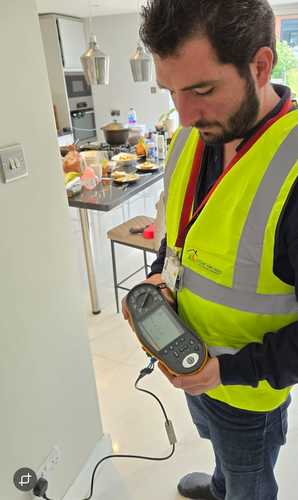
According to engineers at Efficient Home Energy UK, which carries out electrical safety inspections across London, a significant number of rental properties fail their Electrical Installation Condition Report (EICR) due to issues that could pose a risk to occupants.

Common problems discovered during inspections include damaged wiring, overloaded consumer units, missing earthing protection, and outdated fuse boxes that no longer meet modern safety standards.

“Many landlords assume if the lights work and sockets turn on, the electrical system must be safe,” Ethem, an engineer at Efficient Home Energy told That's Business.

“However, customers are unaware of preventative measures that can be easily taken to prevent this. Installing a RCD unit or a new fuse box can mitigate risks substantially.”

Electrical safety regulations introduced in recent years require landlords in England to have a valid EICR carried out at least every five years, ensuring that electrical installations meet safety standards. Despite this, engineers say many properties still fail their inspections due to ageing wiring or DIY electrical work carried out by unqualified individuals.

Among the most common issues found during inspections are:

• Lack of RCD protection (residual current devices)

Black and red cabling (indicating a very old type of wiring)

• Damaged or deteriorating wires

• Old MCBs (miniature circuit breakers)

• Unsafe consumer units or outdated fuse boxes

• Missing bonding or earthing protection

Electrical faults remain a leading cause of house fires in the UK, with engineers urging landlords to treat electrical inspections as a crucial safety measure rather than a formality.

“An EICR is designed to identify hidden risks before they become serious problems,” the spokesperson added. “Carrying out regular inspections helps protect tenants and ensures landlords remain compliant with current safety regulations.”

Tenants are also encouraged to report signs of electrical issues to landlords or property managers. Warning signs can include flickering lights, burning smells near sockets, frequently tripping circuit breakers, or discoloured plug outlets.

Landlords who fail to comply with electrical safety regulations can face enforcement action and fines of up to £30,000 from local authorities.

Further guidance on electrical safety inspections and landlord responsibilities can be found at https://efficienthomeenergy.uk.

Thursday, 5 February 2026

Fire Safety Solutions at Forefront of Building Protection

As fire safety continues to be a paramount concern in construction and building management, FireResist is proud to announce a series of cutting-edge solutions aimed at ensuring buildings meet the highest safety standards. 

From fire-rated doors to advanced fire-retardant spray insulation, FireResist is dedicated to providing both innovative products and educational resources to support fire safety compliance across the UK.

The owner of FireResist told That's Business: “The company’s mission has always been to offer clients not just superior products, but also the critical knowledge they need to ensure their buildings are safe. The latest updates to FireResist’s product offerings and educational content further solidify the company’s role as a leader in fire safety solutions.”

Comprehensive Educational Resources for Building Professionals

FireResist recognizes that knowledge is the first line of defense when it comes to preventing fire-related incidents. The company has launched comprehensive articles featuring insights on the latest fire safety regulations, innovations, and best practices. 

This resource serves as a crucial guide for architects, engineers, and facility managers who need to stay up-to-date on fire prevention methods.

The Role of Steel Framing in Fire Protection

With the growing use of steel framing systems, FireResist offers in-depth resources on how steel walls contribute to fire safety. Steel-framed buildings are becoming more prevalent, and understanding the fire-resistive properties of these materials is essential for any construction project. 

FireResist explains the advantages and standards of steel in fire-rated building systems.

Fire Retardant Spray Insulation for Enhanced Safety

To meet the rising demand for effective fire-resistant materials, FireResist also emphasizes the importance of fire retardant spray insulation in commercial and residential buildings. This innovative spray insulation can help slow the spread of fire, providing additional time for evacuation and reducing property damage. Its specification and safety features are explained in detail, helping users make informed decisions on insulation choices.

Leading Fire Safety Products for Buildings

Fire safety requirements are particularly critical in urban areas like London, where building density and fire risks are higher. FireResist offers specialised products such as fire doors designed to meet rigorous safety standards while blending seamlessly into the building’s aesthetic. 

The company’s expertise in fire-rated doors ensures that businesses and residential buildings remain compliant with the latest fire safety regulations.

Likewise, fire windows are becoming increasingly important as part of comprehensive fire safety strategies. FireResist provides a variety of window options that not only enhance building protection but also comply with local safety codes, ensuring a secure environment for all occupants.

Building a Safer Future Together

At FireResist, ensuring the safety of people and property remains at the heart of everything Fire Resist does. As part of the ongoing commitment to advancing fire safety standards, Fire Resist continues to lead the way with top-tier products, resources, and expertise. To explore the full range of solutions and stay informed on the latest industry trends, visit the official website.

For more information please visit www.fireresist.co.uk

Tuesday, 13 January 2026

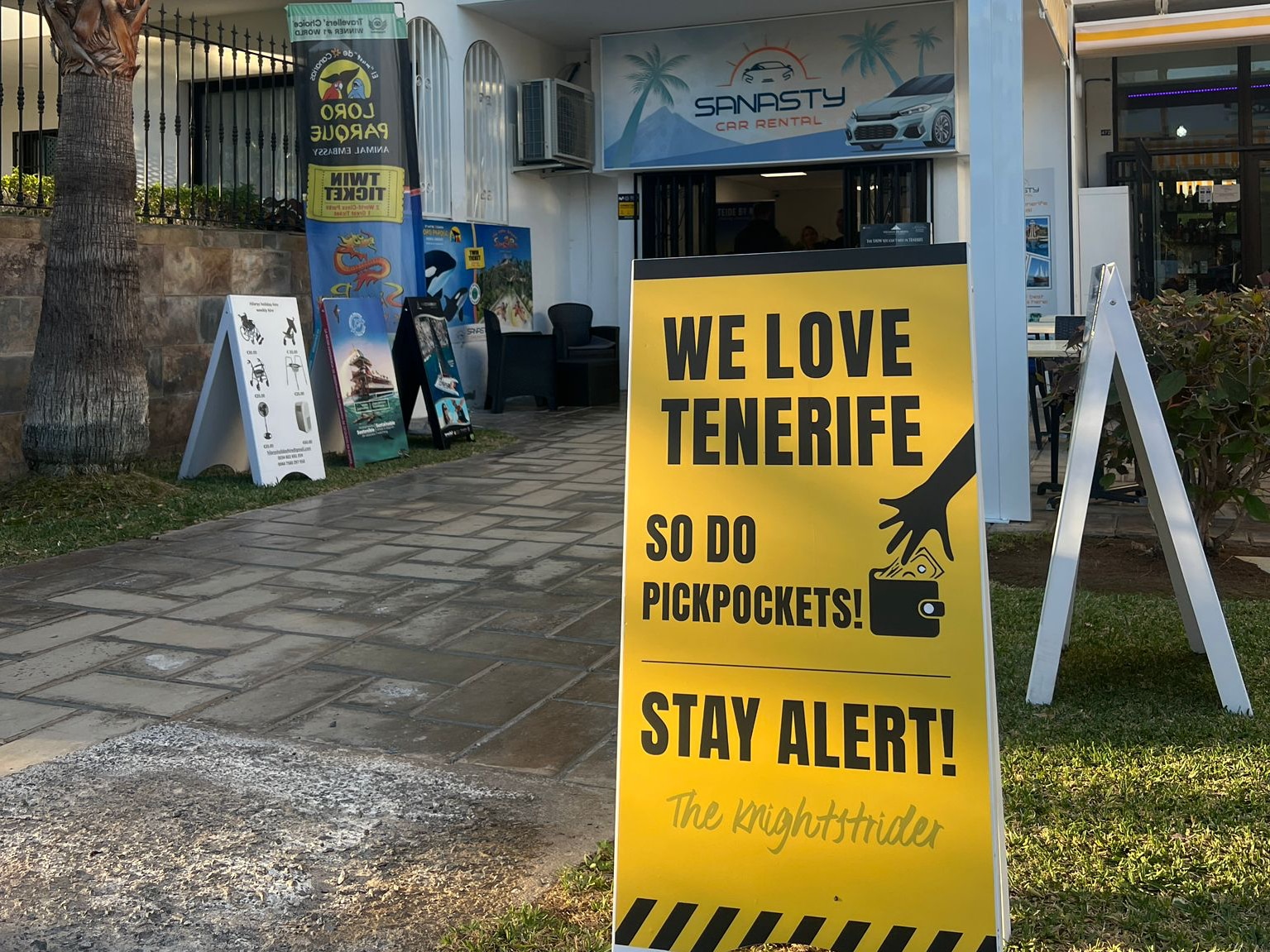
Local business explains ‘stay alert’ sign seen in Tenerife tourist area

A local business owner in Tenerife has explained the purpose of a “stay alert” sign that has recently been shared widely online and referenced in several UK and Spanish news reports.

The sign was placed outside Sanasty Car Rental in Los Cristianos by the company’s owner, Andrew, who lives on the island full-time and works closely with tourists throughout the year. 

He says the message is intended to encourage awareness rather than cause concern, particularly in busy holiday areas where visitors may be more relaxed.

Andrew explained that people on holiday often switch off from their usual routines, which can make them more vulnerable to opportunistic theft — something he says is common in busy tourist destinations across Europe.

“On holiday, people naturally switch off – and that’s exactly when pickpockets take advantage.

I felt it was far better to warn visitors so they can relax and enjoy their holiday safely, rather than be robbed and leave Tenerife with a bad experience they’ll never forget.”

He added the sign was designed and paid for privately and is located outside his own business premises, rather than being an official notice or authority-issued warning. According to Andrew, the aim is simply to prompt a moment of awareness as people pass by, reminding them to keep personal belongings secure while enjoying their stay.

“The island’s popularity is growing every year, and with that comes responsibility. People come into my office daily just to thank us for the warning. It’s important to be honest and protect visitors, not sweep the issue under the rug.”

Andrew has also shared a short video on his YouTube channel showing when the sign was first put in place and explaining the thinking behind it, which he says has helped answer questions from viewers and visitors alike:

Sanasty Car Rental says it regularly offers practical advice to customers on keeping belongings safe while travelling, with the aim of helping visitors enjoy Tenerife and leave with positive memories of the island.

https://sanasty.com

Friday, 12 December 2025

Christmas Catering Warning: Why Food Safety Failures Can Destroy a Business

A business-focused warning on Christmas food safety, outlining the risks, legal consequences and reputational damage food poisoning outbreaks can cause to catering and hospitality businesses.

For many businesses, Christmas is the busiest and most profitable time of the year. Hospitality venues run at full capacity, offices host festive events, charities provide community meals, and temporary catering operations spring up everywhere.

It is also the time of year when food poisoning outbreaks spike, and when a single mistake can cause lasting reputational, legal and financial damage to a business.

Food safety at Christmas is not just a hygiene issue. It is a business risk.

Why Christmas Increases Food Safety Risk for Businesses

The festive period creates conditions that significantly raise the likelihood of foodborne illness:

High volumes of food prepared in short timeframes

Seasonal or temporary staff with limited training

Overcrowded cold storage and rushed prep areas

Extended opening hours and staff fatigue

Increased use of buffets, shared platters and pre-prepared food

Under pressure, even well-run kitchens can slip. Regulators, however, do not offer festive exemptions.

The Business Consequences of Food Poisoning Outbreaks

A single incident can lead to:

Environmental Health investigations

Temporary or permanent closure

Poor hygiene ratings published online

Legal claims and compensation payouts

Loss of customer trust and future bookings

Severe reputational damage on social media

In extreme cases, particularly where vulnerable people are affected, businesses may face criminal prosecution.

At Christmas, when incidents attract higher media attention, the fallout can be swift and unforgiving.

Key Food Safety Risks Businesses Must Control

1. Temperature Control Under Pressure

Overfilled fridges and hot holding units are common in December.

Cold storage must remain at 5°C or below

Hot food must be held at 63°C or above

Cooked food must be cooled quickly and stored safely

Reheating must be thorough and done only once

Temperature logs should never be guessed or backfilled.

2. Seasonal Staff Are a Known Weak Point

Temporary workers are essential during peak periods, but they increase risk.

Food hygiene training must be provided before handling food

Supervision is critical during busy services

Assumptions about prior experience are dangerous

Lack of training is one of the first issues identified during inspections.

3. Cross-Contamination Risks Increase at Christmas

Busy prep areas make separation harder but more important.

Raw and ready-to-eat foods must be kept strictly separate

Colour-coded boards and utensils must be enforced

Handwashing procedures must be followed consistently

Festive menus often involve poultry, gravies and large joints of meat, all high-risk if mishandled.

4. Buffets and Shared Service Need Extra Care

Self-service food significantly increases contamination risk.

Food must not be left out beyond safe time limits

Serving utensils must be replaced regularly

Clear allergen labelling is essential

High-risk foods may be inappropriate for certain settings

Buffets are convenient, but they require careful management.

Vulnerable Groups Increase Duty of Care

Businesses serving older people, children, pregnant women or immunocompromised individuals must apply stricter controls.

Care homes, hospitals, schools, charities and community events must avoid high-risk foods and ensure clear allergen management. Failure here can have serious legal and ethical consequences.

Compliance Is a Commercial Asset

Strong food safety practices are not a burden — they are a competitive advantage.

Better inspection outcomes

Higher hygiene ratings

Increased customer confidence

Reduced risk of disruption during peak trading

At a time when customers are choosing venues carefully, visible professionalism matters.

A Preventable Risk in a High-Value Season

Christmas food poisoning outbreaks are rarely the result of one dramatic error. They are usually caused by small shortcuts, rushed decisions, or systems failing under pressure.

For businesses, the cost of prevention is always lower than the cost of recovery.

Christmas should be remembered for record takings and satisfied customers,  not for investigations, illness and reputational damage that lasts long into the new year.


Wednesday, 20 November 2024

Commercial Premises: Avoiding Common Pitfalls in Hygiene and Safety

When managing or designing a commercial space, hygiene and safety should be top priorities. 

However, these aspects are often overlooked, leading to potential hazards for employees, customers, and the business itself. 

From ill-thought-out hand drier placement to flooring that becomes treacherous when wet, small oversights can cause big problems. Here, we examine some common pitfalls and how to avoid them.

1. Poor Placement of Equipment

Hot air hand driers positioned directly over metal radiators might seem inconsequential but can create significant safety and hygiene issues. The constant exposure to moisture from dripping hands can encourage rusting, degrade the radiator’s efficiency, and make cleaning difficult. Worse still, the combination of metal and water increases the risk of burns or other injuries if someone accidentally touches a heated, rusted surface.

Solution: Position hand driers away from heat sources and ensure adequate space for proper air circulation. Install drip trays or mats underneath to catch residual water. Or use paper hand towels, instead.

2. Inappropriate Flooring Materials

Slippery tiles in areas prone to wetness, such as entrances, kitchens, or washrooms, are accidents waiting to happen. While sleek tiles might look appealing, they can become hazardous when wet, leading to slip-and-fall incidents and potential legal liabilities for the business.

Solution: Use anti-slip flooring materials in high-risk areas. For existing slippery floors, non-slip coatings or mats can improve safety. Regularly monitor and clean these spaces to prevent puddles from forming.

3. Insufficient Drainage Systems

Poor drainage is another common problem in commercial settings, particularly in kitchens and washrooms. Water pooling due to clogged or inadequate drains can cause slips, foul odours, and even pest infestations.

Solution: Ensure all drains are adequately sized and regularly maintained. Installing floor grates and angled surfaces can help channel water towards drainage points.

4. Overlooking Ventilation Requirements

Inadequate ventilation can lead to poor air quality, excessive humidity, and the build-up of mould or bacteria. This is particularly critical in areas like kitchens or washrooms, where moisture levels are higher.

Solution: Invest in high-quality ventilation systems designed for the specific needs of the premises. Conduct regular inspections to ensure ducts are clean and functioning optimally.

5. Substandard Lighting

Poor lighting is not just a productivity issue; it can also create safety hazards. Dimly lit areas may hide spills, uneven flooring, or obstructions, increasing the risk of accidents.

Solution: Install appropriate lighting for each area of the premises. For kitchens, entrances, and stairways, prioritise bright, even lighting. Energy-efficient LED lights can provide reliable illumination while reducing electricity costs.

6. Ignoring Fire Safety

From blocked fire exits to the use of combustible materials in fittings and furniture, fire hazards are a prevalent issue in commercial spaces. An inadequate number of fire extinguishers or poorly maintained fire alarms can exacerbate the risk.

Solution: Conduct a fire risk assessment to identify hazards. Ensure exits are clearly marked and unobstructed, and regularly test fire alarms and extinguishers. Train staff in fire safety protocols and provide clear evacuation procedures.

7. Poorly Maintained Hygiene Facilities

Neglecting hygiene facilities not only breaches regulations but also creates an unpleasant experience for employees and customers. Dirty washrooms, overflowing bins, and unstocked supplies can damage your business's reputation.

Solution: Implement a robust cleaning schedule. Equip facilities with high-quality soap dispensers, paper towel dispensers, or reliable hand driers. Assign personnel to regularly inspect and restock supplies.

8. Inefficient Waste Management

Overflowing bins, improper waste segregation, and inadequate pest control measures are common but critical oversights. Poor waste management can lead to bad smells, pest infestations, and even health code violations.

Solution: Use appropriately sized bins and schedule regular rubbish collection. Separate recyclables, general waste, and food waste to streamline disposal. Ensure rubbish areas are secure to deter pests.

9. Lack of Accessibility

Inaccessible entrances, narrow doorways, or improperly designed washrooms can alienate customers and staff with disabilities, putting your business at risk of non-compliance with legal requirements.

Solution: Follow accessibility guidelines, such as ensuring doorways are wide enough for wheelchairs, installing ramps, and providing accessible toilets with grab bars and emergency pull cords.

Final Thoughts

A proactive approach to hygiene and safety is essential for any commercial premises. By identifying and addressing potential hazards—whether it’s the placement of hand driers, flooring choices, or drainage issues—you can create a safe, clean, and welcoming environment. Investing in these measures not only protects your staff and customers but also shields your business from reputational damage and potential legal consequences.

Remember: prevention is always better than cure. Taking the time to assess and improve your premises today could save you significant trouble tomorrow.

Tuesday, 30 April 2024

Safeguarding Your Small Business: Cybersecurity Essentials

In today's interconnected digital landscape, even, or especially, small businesses are not exempt from the looming threats of cyberattacks. While large corporations often make headlines for data breaches, small businesses are equally susceptible targets, if not more so due to their limited resources and often less fortified defences. 

As technology evolves, so do the strategies of cybercriminals, making it imperative for small business owners to prioritise cybersecurity measures to safeguard their operations and sensitive data.

Understanding the Risks

Small businesses may assume that they are inconspicuous to cybercriminals, but this couldn't be further from the truth. In fact, they often serve as prime targets due to their perceived vulnerabilities. From phishing scams and ransomware attacks to malware infections and data breaches, the risks are manifold and can have devastating consequences for the business, its employees, and its customers.

The Essentials of Cybersecurity

Educate and Train Employees: Human error remains one of the leading causes of security breaches. It's essential to educate employees about cybersecurity best practices, such as recognizing phishing emails, creating strong passwords, and safeguarding sensitive information. Regular training sessions can help reinforce these principles and cultivate a culture of cybersecurity awareness within the organisation.

Implement Robust Password Policies: Weak passwords are akin to leaving the front door of your business unlocked. Encourage employees to use complex passwords and consider implementing multi-factor authentication for an added layer of security. Additionally, ensure that default passwords on devices and software are changed immediately upon installation.

Keep Software and Systems Updated: Cybercriminals often exploit vulnerabilities in outdated software and operating systems. Regularly update all devices, applications, and security patches to mitigate the risk of exploitation. Consider enabling automatic updates wherever possible to streamline this process.

Secure Network Infrastructure: Secure your business network with firewalls, encryption, and Virtual Private Networks (VPNs) to create barriers against unauthorized access. Limit access to sensitive data on a need-to-know basis and segment your network to contain potential breaches.

Backup Data Regularly: Data loss can be catastrophic for any business. Implement a comprehensive backup strategy to ensure that critical data is regularly backed up and stored securely. Test your backup systems regularly to verify their integrity and reliability.

Monitor and Respond to Threats: Invest in cybersecurity tools such as intrusion detection systems and antivirus software to monitor your network for suspicious activity. Establish incident response protocols to swiftly respond to and mitigate security incidents should they occur.

Secure Mobile Devices: With the rise of remote work, mobile devices have become an integral part of business operations. Enforce mobile device management policies to secure smartphones, tablets, and laptops used for work purposes. This includes enabling device encryption, enforcing passcodes, and remotely wiping devices in case of loss or theft.

Conclusion

In the digital age, cybersecurity is not a luxury but a necessity for small businesses. By prioritising cybersecurity measures and implementing best practices, small business owners can significantly reduce their risk exposure and protect their valuable assets. While no system is entirely foolproof, taking proactive steps to fortify your defences can make all the difference in safeguarding your business against cyber threats. Remember, in the realm of cybersecurity, prevention is always better than cure.

Saturday, 27 April 2024

Celebrating World Day for Safety and Health at Work: Prioritising Well-being in the Workplace

In an age where workplaces are evolving rapidly, with advancements in technology and changes in work dynamics, ensuring the safety and health of employees has never been more critical. 

On the 28th of April each year, we observe the World Day for Safety and Health at Work, a momentous occasion to reflect on the significance of fostering a secure and healthy work environment for all.

This annual event serves as a global platform to raise awareness and promote the prevention of occupational accidents and diseases. From the shop floor to the boardroom, every individual within an organisation plays a pivotal role in upholding workplace safety standards. The theme for this year's World Day resonates deeply with this sentiment: "Anticipate, prepare and respond to crises: Invest now in resilient occupational safety and health systems."

The ongoing global pandemic has underscored the importance of preparedness and resilience in the face of unforeseen challenges. Employers worldwide were compelled to adapt swiftly to new working conditions, implement stringent hygiene protocols, and ensure the mental well-being of their employees. Amidst such adversity, the World Day for Safety and Health at Work serves as a poignant reminder of the need for proactive measures to mitigate risks and safeguard the workforce.

Investing in occupational safety and health not only preserves human lives but also contributes to the overall productivity and sustainability of businesses. By fostering a culture of safety consciousness, organisations can minimise workplace accidents, reduce absenteeism, and enhance employee morale. Moreover, prioritising employee well-being fosters loyalty and trust, thereby fostering a conducive work environment where individuals can thrive and contribute effectively.

The observance of the World Day for Safety and Health at Work is not merely a symbolic gesture; it is a call to action for governments, employers, workers, and stakeholders to collaborate and implement robust safety measures. Legislative frameworks and regulatory standards play a crucial role in setting benchmarks for occupational safety, but true progress is achieved through collective efforts and a shared commitment to continuous improvement.

As we commemorate this day, let us reflect on the lessons learned from past challenges and renew our dedication to building resilient occupational safety and health systems. Let us empower workers with the knowledge and tools necessary to identify and mitigate risks, and let us foster a workplace culture where safety is ingrained in every aspect of operations.

In conclusion, the World Day for Safety and Health at Work serves as a poignant reminder of the imperative to prioritise the well-being of workers worldwide. By investing in resilient occupational safety and health systems, we not only protect lives but also lay the foundation for sustainable economic growth and societal progress. Let us unite in our efforts to create safer, healthier, and more inclusive workplaces for all.

Thursday, 5 October 2023

Empowering Digital Defenders: Cybersecurity Awareness for Cyber Awareness Month

In an increasingly digital world, the importance of cybersecurity cannot be overstated. With our personal and professional lives becoming more intertwined with technology, the need to protect our digital assets has never been more critical. 

October is Cyber Awareness Month, a time dedicated to promoting cybersecurity awareness and educating individuals and organizations about the threats and best practices to stay safe online. In this blog post, we will explore the significance of Cyber Awareness Month and offer valuable insights into how we can all contribute to a safer digital environment.

The Digital Landscape: Why Cybersecurity Matters

Our daily lives revolve around technology, from online banking and shopping to social media interactions and remote work. While technology brings convenience, it also opens doors to cyber threats. Cyberattacks are on the increase, and they can have devastating consequences for individuals, businesses, public bodies such as educational institutions, hospitals and even nations. From identity theft and financial fraud to data breaches and ransomware attacks, the threats are real and ever-evolving.

The Role of Cyber Awareness Month

Cyber Awareness Month, observed every October, aims to highlight the importance of cybersecurity and promote good online hygiene. It is an opportunity for individuals, organisations, and governments to come together to raise awareness, share knowledge, and collaborate on enhancing our collective digital defences.

Ways to Promote Cybersecurity Awareness

Educate Yourself: Start by educating yourself about common cybersecurity threats, such as phishing, malware, and social engineering. Stay informed about the latest cybersecurity trends and news. Knowledge is your first line of defence.

Strong Passwords and Multi-Factor Authentication (MFA): Use strong, unique passwords for each of your online accounts, and enable MFA wherever possible. Password managers can help you keep track of complex passwords.

Keep Software and Systems Updated: Regularly update your operating systems, software, and applications to patch vulnerabilities that cybercriminals could exploit.

Be Wary of Phishing Emails: Exercise caution when receiving unsolicited emails, especially those requesting personal or financial information. Verify the sender's identity and avoid clicking on suspicious links or downloading attachments from unknown sources.

Secure Your Home Network: Change default router passwords, enable encryption (WPA2 or WPA3), and regularly update your router's firmware to protect your home network.

Back Up Your Data: Regularly back up your important files and data to an external device or a secure cloud service. This ensures you can recover your data in case of a ransomware attack or hardware failure.

Implement Security Awareness Training: Organisations should invest in cybersecurity training for employees to help them recognize and respond to threats effectively.

Encourage Safe Online Behaviour: Promote cyber hygiene within your family, workplace, or community. Encourage the use of strong passwords, teach children about online safety, and share cybersecurity tips.

Report Cyber Incidents: If you encounter a cyber incident or suspect a breach, report it to the appropriate authorities or your organisation's IT department promptly.

Support Cybersecurity Initiatives: Engage with and support organizations, events, and initiatives dedicated to cybersecurity awareness. These efforts play a crucial role in building a safer digital world.

Cybersecurity is a shared responsibility, and Cyber Awareness Month reminds us of our role in protecting ourselves and our digital community. By staying informed, adopting best practices, and educating others, we can make cyberspace safer for everyone. Let this month serve as a catalyst for positive change, motivating us to become better digital defenders year-round. Together, we can build a more resilient and secure digital future.

https://staysafeonline.org/programs/cybersecurity-awareness-month

Thursday, 25 August 2011

Employers are reminded not to neglect first aid in the workplace

Do you know how many first aiders should a workplace have? Or what items should be found in a first-aid box? When is it appropriate for an employer to provide a first-aid room? New advice from the Health and Safety Executive attempts to answer these and other questions.

The Health and Safety Executive (HSE) has issued a reminder to employers that they must have first-aid arrangements in place in the workplace.

The advice – published on the HSE website on 4th August 2011 – includes vital information on appointing a first-aider and details of how to report workplace-related accidents and incidences of ill health.

The HSE stresses that “as a minimum” employers must have

• A suitably stocked first-aid box. The HSE advises that the first aid box should contain sterile plasters, sterile eye pads, triangular bandages, safety pins, wound dressings, a pair of disposable gloves and the HSE leaflet on first aid at work.

• A first-aid needs assessment

• An appointed person to take charge of first-aid arrangements (even if the first aid needs assessment deems that no first-aiders are necessary you must have an appointed person)

• Information for all employees giving details of first-aid arrangements – who the first aiders and appointed persons are and where the first aid box is will usually be sufficient

First aid rooms and mobile phones

The HSE stresses that where there are large numbers of employees, an employer should consider providing a first-aid room. A first-aid needs assessment, the organisation says, should also determine whether mobile phones need to be issued to employees who “travel a lot, work remotely or work alone”.

How many first aiders should a workplace have?

The HSE advises that in low hazard work environments with less than 25 employees – for instance in offices, shops and libraries – it is sometimes acceptable for only one first aider to be appointed.

The first aider: worker ratio, the HSE believes, should be adjusted in higher-hazard environments such as in places where there is light engineering or assembly work. “At least one trained first-aider for every 50 employed” is the suggested ratio.

The importance of risk assessments

Holding a first-aid needs assessment is vital for employers looking to offer a safe level of first aid support. Risk assessments are equally crucial at determining whether there are unsafe working practices endangering workers’ health and safety.

It was an unsafe working practice which recently resulted in a 60-year-old Lincolnshire man severing two fingers in a factory accident.

The HSE website details how the man was adding seasoning to pork products in a mixing machine when he noticed a piece of blue plastic in the mixer.

The accident occurred as he reached into the unguarded mixing machine to remove the plastic. Although he returned to employment after several operations and ten months off work, the worker, having lost nerve endings in his damaged fingers, was unable to do the same job.

An investigation found that the mixing machine should have been guarded by an electrically locked gate at the top of a set of access steps. Had this measure been in place the accident would not have happened.

A risk assessment in February 2009 identified the danger posed by a lack of locked gates. The accident took place just nine months later; an illustration of the danger of employers failing to look after their employees’ safety.

No Win No Fee solicitors Claims Direct can help people make a personal injury claim if they have suffered an accident at work through no fault of their own.

Wednesday, 27 July 2011

Which is the most dangerous industry to work in?

New statistics reveal which industry in the UK has the highest fatality rate.

According to provisional figures compiled by the Health and Safety Executive (HSE) in June 2011, waste and recycling is currently the most dangerous industry to work in.

Five years ago there were seven fatal injuries per 1,000 workers in the waste and recycling industry but this figure has now risen to 8.7 deaths. Nine deaths were recorded in the industry during the period April 2010 to March 2011.

• Waste and recycling

Peter Woolgar, HSE’s head of waste and recycling, said: “The fact that nine people failed to come home safe and well from their jobs last year is a stark reminder to the industry that it still has a long way to go.”

The data shows that across all industries, there were 171 workplace fatalities in 2010/11 compared to 2009/10’s record low of 147.

Roger Bibbings, occupational safety advisor with the Royal Society for the Prevention of Accidents (Rospa) called the rise in the number of fatalities “disappointing”.

Mr Bibbings said: “These figures show that continuing efforts in health and safety are required.”

The safety expert was particularly concerned that nearly half 2010/2011’s fatalities have occurred in two sectors – agriculture and construction.

• Construction

Construction has the highest number of fatalities for the year (50, with a rate of 2.4 deaths per 1,000 workers). The life of a construction worker can be extremely hazardous – with fatalities involving electrocution, being hit by falling objects and being trapped underneath vehicles appearing in the HSE statistics.

• Agriculture

The agriculture industry suffered fewer fatalities than the construction industry (34) but had the second highest rate (8 deaths per 1,000 workers).

Incidents involving fatal accidents in the sector included one in which a man was struck by a bale, one in which a man struck his head after being knocked to the ground by a bull and one in which a man was trampled to death by cattle.

• Other industries

Of the other main industries, manufacturing accounted for 27 fatal injuries (1.1 deaths per 1,000 workers) while in the services sector there were 47 fatal injuries (0.2 deaths per 1,000 workers).

• Tip of the iceberg?

Roger Bibbings of Rospa linked the rise in the fatality rate to major cuts in the health and safety budget.

He said: “Tragic as they are, notifiable fatal injuries are only the tip of a much larger iceberg; at least twice as many workers are killed on the roads while driving as part of their job; and thousands of workers are continuing to die annually from past exposure to hazardous agents such as asbestos.”

Tuesday, 28 June 2011

Fire Resistant Ductwork can save lives: New White Paper

Newly published, from ventilation ductwork specialist Senior Hargreaves, a 2000 word white paper examines how fire resistant ductwork helps protect life, safeguards property and promotes enterprise survival in the event of fire. Hargreaves is making their extensive knowledge and experience available to building services engineers, insurance company surveyors, senior fire officers, health and safety practitioners and others with professional involvement.

The core of the paper is a discussion of the requirements of Building Regulations and the Loss Prevention Council rules. This includes an exploration of the crucial role of fire compartments and the use of fire walls and resistive structures in buildings. The paper also looks at special cases such as car park and kitchen ventilation and explains the importance of stability, integrity and insulation in fire ductwork.

Various methods for meeting the technical requirements are examined comparatively in the light of practical conditions on construction sites. “The paper will be useful to engineers and other professionals engaged in specifying building services. We hope that it will promote and encourage best practice and high engineering standards,” explained Hargreaves director Phil Johnson.

To obtain a personal copy of the white paper, telephone Denise Mercer at Senior Hargreaves on 0161 764 5082 or e-mail denise.mercer@hargreaves-ductwork.co.uk with business address details.

Wednesday, 22 June 2011

Environmental Scientifics Group launches innovative online support for Environmental Health & Safety Compliance

Environmental Scientifics Group launches innovative online support for Environmental Health & Safety Compliance.

Environmental Scientifics Group (ESG), the UK’s top provider of testing, inspection and compliance services is pleased to launch ESG Online – a complete management solution for Environmental Health & Safety Compliance. The system was officially introduced to key clients by Sir Steve Redgrave and MP for South Derbyshire, Heather Wheeler at a special event at the House of Commons on 21 June 2011.

What is ESG Online? It is a powerful, comprehensive but also easy to use management system that will offer users a complete and utterly independent solution for Environmental Health & Safety compliance.

Businesses can be confident they are aware of their legal obligations and best practice requirements in real time. This will enable them to reduce risk, maintain business continuity and bering about changes to continuously improve their business.

This innovative and bespoke system has been developed with the customer as the central focus. Put simply, ESG Online takes information from a wide range of sources combining it onto one central management system and one single screen, presenting the information through the ESG Online Dashboard.

Totally flexible and tailored for every individual client, businesses can choose exactly how they use the system which will ensure the content is appropriate to their individual needs. For example, clients can brand ESG Online as their own, upload their documentation and create their own actions.

The system covers three main areas:

• Compliance Document & Information Storage – providing a central point for the collation of all Compliance related information
• Prioritised Action Planning – to support clients in ensuring responsible personnel complete relevant actions whilst escalating actions not completed to relevant line management.
• Management Information - giving real time reports on the activities undertaken and the risk profile of the organisation.

Norman Sleeth, who is the Managing Director for ESG’s Environmental Safety Compliance Division points out: “Environmental Health and Safety is a serious and ongoing issue and keeping track of legislation, never-mind certificates can be the cause of many headaches.

“Our clients told us they wanted a simple solution to manage all their compliance issues and hence we have spent the past 18 months developing ESG Online. The introduction of ESG Online demonstrates our commitment to meeting the needs of our clients’ and underlines the importance we place on customer service.”

For more information visit www.esg.co.uk

Sunday, 10 April 2011

No qualification? Then you are not wanted, says report


Anyone looking for a health and safety job without suitable health and safety qualifications "need not apply" according to new research by NEBOSH.

For the 2011 NEBOSH Jobs Barometer found that only three of 100 nationally advertised health and safety vacancies failed to specify an appropriate level qualification or professional status.

Between 23rd March and 6 April 2011, NEBOSH (National Examination Board in Occupational Safety and Health) examined one hundred job adverts for health and safety managers or advisors. In 93 cases, a NEBOSH qualification and/or Technician Membership of IOSH or higher was specified as a requirement for the job on offer.

Overall, 66 of the 100 positions mentioned at least one NEBOSH qualification. A NEBOSH Diploma was specified in 45 cases and a NEBOSH Certificate level qualification 37 times. As well as the NEBOSH General Certificate, employers were also seeking NEBOSH Fire and Risk Management, Construction and Environmental Certificates.

Membership of IOSH (The Institution of Occupational Safety and Health) at Technician level or higher was mentioned in 48 job adverts. Five mentioned 'Tech IOSH', 'Grad IOSH' was specified 17 times and 26 positions called for Chartered Membership (CMIOSH). Membership at all three levels requires accredited qualifications.

The average top-end salary advertised was £45,000 per annum. The majority of vacancies (29%) were located in London, with a further 28% in the Home Counties and South East. Around 1 in 6 (18%) were based in the Midlands or East Anglia, 7% in the North West, 7% in Wales and the South West, 5% in Scotland and 2% in Yorkshire and the North East. Slightly less than one in 20 (4%) vacancies were "flexible" on location. Many of the roles required travel throughout the UK and some overseas.

NEBOSH Chief Executive, Teresa Budworth, said she was delighted with the high standards being set by employers when it came to health and safety roles. "It's clear anyone seeking a job as a health and safety manager or advisor in the UK will struggle to find a position without appropriate level qualifications."

The 2011 NEBOSH Jobs Barometer also revealed that as many as 62% of advertised health and safety positions included responsibility for environmental management, up from 55% in April 2010. Over half (53%) of job titles refer to "environment", up from 42% last year. Job titles and responsibilities also included "quality", "facilities", "risk management", "assurance" and "well-being".

Teresa Budworth went on to say: "The role of the modern health and safety manager is being extended into various areas, particularly environmental management. Where this is the case, I would like to see more employers specifying further relevant qualifications.

"Our latest study showed that while almost two thirds of advertised positions included responsibility for environmental management, an environmental qualification, such as the NEBOSH Environmental Diploma, was only occasionally required."

NEBOSH will be exhibiting at this year's Safety and Health Expo, NEC, Birmingham which takes place from 17 to 19 May on Stand Q90, where you would be able to find details of the range of NEBOSH qualifications now available. Also see www.nebosh.org.uk/qualifications for details of qualifications in the vitally important field of health and safety.