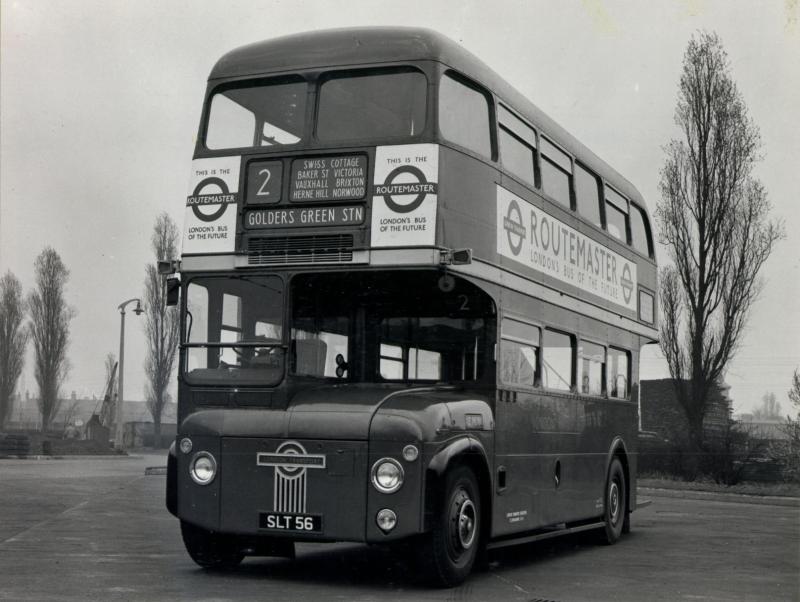
It used to be that
bus drivers were known for their professionalism, calm, capable, courteous and confident behind the wheel.
Bus drivers were the backbone of our public transport network: reliable, responsible and respected.
Yet in recent years, passengers across the UK have noticed a worrying decline in driving standards and customer service among some drivers.
From mounting pavements, cutting out parts of routes due to laziness, taking wrong turns to arguing with passengers and mishandling disabled travellers, the once-proud image of the British bus driver seems to be under strain.
So what’s gone wrong, and what can be done to fix it?
A Catalogue of Concerns
Ask regular bus passengers and you’ll hear similar complaints cropping up again and again:
Mounting kerbs and cutting corners: It’s become alarmingly common to see buses bumping over pavements or clipping kerbs, often endangering pedestrians, bursting tyres and damaging wheels.
Wrong lanes and missed stops: Some drivers appear uncertain of routes, occasionally taking wrong turns or missing key stops, causing confusion and delay.
Poor passenger communication: From curt replies to outright rudeness, many passengers report that some drivers seem impatient or dismissive, especially toward the elderly, those with disabilities, or parents with prams.
Ticketing confusion: Whether it’s uncertainty over newer ticketing systems, contactless payments, or concessionary passes, too many drivers seem unsure how the system actually works. And don't want to find out.
Neglecting disabled passengers: There are troubling reports of drivers who fail to lower ramps, deliberately drive past passengers with wheelchairs, refuse to move buggies from wheelchair spaces, or treat disabled passengers as an inconvenience rather than valued customers.
These are not isolated incidents, they’re part of a pattern that points to deeper issues within the industry.
Why Standards Have Fallen
Several factors have contributed to this decline:
1. Understaffing and Stress
The bus industry has struggled with severe driver shortages since the pandemic. Many experienced drivers retired or left for better-paid, less stressful jobs, leaving operators scrambling to recruit and train replacements. The result? Overworked, undertrained drivers trying to keep services running under pressure.
2. Poor Pay and Working Conditions
Bus driving is a demanding job with long, irregular hours and often modest pay. Low morale and burnout are common, especially in cities where traffic congestion and passenger abuse are daily challenges.
3. Insufficient Training
In the rush to fill vacancies, some companies have cut corners on training. Route familiarisation, disability awareness, and customer service modules are often compressed or skipped entirely. Drivers may know how to operate the vehicle, but not how to manage the people inside it.
4. Lack of Accountability
Passenger complaints sometimes seem to vanish into the ether. Without meaningful follow-up, poor behaviour can continue unchecked. Some operators lack transparent disciplinary or retraining systems.
5. Complex Modern Systems
From smart cards to contactless payments and app-based ticketing, modernisation has outpaced training. Drivers are often left to troubleshoot technology while trying to keep to a tight timetable.
The Impact on Passengers and the Industry
When driving standards fall, everyone suffers:
Passenger confidence drops, leading to fewer people using public transport.
Disabled passengers lose independence, as accessibility becomes inconsistent. Buses cancelled or stops missed without warning or valid reasons can mean missed medical appointments.
Public image declines, damaging operators’ reputations and recruitment efforts.
Road safety risks increase, putting lives in danger.
In short: a small number of poorly trained or demoralised drivers can tarnish the entire sector’s reputation.
How to Turn Things Around
It’s not too late to rebuild pride in the profession. Here’s how:
1. Invest in Better Training
Operators must return to comprehensive, mandatory training, not only for driving skills but also for communication, customer care, and disability awareness. Refresher courses should be required regularly.
2. Improve Pay and Conditions
If we want professional drivers, we must treat them like professionals. Fair pay, better scheduling, and mental health support would go a long way towards improving morale.
3. Enforce Accountability
Clear, transparent systems for complaints and discipline should be standard. Passengers need to see that their feedback matters.
4. Strengthen Route Knowledge
Drivers should be tested and certified for the routes they drive. Sat-navs should supplement, not replace, proper local knowledge.
5. Rebuild Respect
Both sides, passengers and drivers, need a reset in how they treat each other. Public campaigns promoting mutual respect and the value of bus drivers could help restore civility.
6. Ensure drivers have good quality buses to drive on their routes
There are examples of buses so poorly maintained that even during summer months with external temperatures exceeding 36C (96.8F) the drivers had to leave the heating in their bus at full blast in order to stop the engine from seizing, thus resulting in horrendously overheated bus journeys for both passengers and drivers.
The Road Ahead
Buses are lifelines, connecting communities, reducing traffic, and cutting emissions. But the people driving them deserve as much investment and respect as the vehicles themselves.
A professional driver should feel proud of their role, confident in their training, and supported by their employer. Passengers should feel safe, respected, and valued.
The decline in standards isn’t inevitable — it’s a symptom of neglect. With proper leadership and renewed focus, Britain’s bus services can once again set the standard for public transport done properly.